Fiber Laser Cutting Systems Insights: Understanding Cutting Technology
Fiber laser cutting systems are machines that use a concentrated beam of light to cut and shape metal sheets, plates, tubes, and other suitable materials.
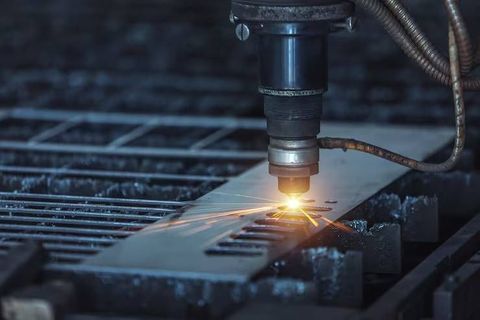
A fiber laser cutting machine generates the laser beam through optical fibers and directs it toward the workpiece through a cutting head. The focused energy heats and removes material along a programmed path, creating the required shape.
Laser cutting developed from earlier industrial laser applications that used different beam-generation methods. Fiber laser technology became increasingly important because it can provide a compact optical path, precise beam control, and efficient processing for many metalworking tasks. A modern laser cutting machine is usually part of a larger computer-controlled production system rather than a standalone cutting device.
A fiber laser CNC machine combines the laser source with computer numerical control, motion systems, cutting software, and material-handling components. The CNC system interprets a digital design and guides the cutting head along programmed coordinates. This makes the process suitable for repeatable shapes, detailed profiles, and varied production requirements.
Importance
Why fiber laser cutting matters
Fiber laser cutting is relevant to many areas of metal fabrication, including construction components, machinery parts, electrical enclosures, transportation equipment, furniture components, and general sheet-metal work. The technology can process common metals such as mild steel, stainless steel, and aluminum, with the suitable machine configuration and process parameters.
For everyday manufacturing, one important benefit is digital control. A design can be prepared in computer-aided design software and converted into machine instructions. This reduces the need to create physical cutting patterns for every new shape and makes design changes easier to manage.
Another important factor is cutting consistency. The focused laser beam can create narrow cuts and detailed contours when the material, laser power, focus, speed, assist gas, and other parameters are correctly matched. However, results still depend on machine condition, material characteristics, programming, and operator knowledge.
Main system components
A typical fiber laser cutting system includes several connected parts:
- Laser source: Generates the laser energy used for cutting.
- Fiber delivery path: Carries the beam from the source toward the cutting head.
- Cutting head: Focuses the beam and directs assist gas toward the cutting area.
- CNC controller: Coordinates movement according to programmed instructions.
- Motion system: Moves the cutting head or worktable along the required axes.
- Worktable: Supports the material during processing.
- Assist-gas system: Helps remove molten material and influence the cutting process.
- Software: Handles design preparation, nesting, machine control, and process settings.
A laser cutting machine supplier may provide systems with different work areas, laser powers, automation options, and software arrangements. A laser cutting machine manufacturer typically develops or integrates the major machine components, although individual parts can come from different technology providers.
Factors that influence cutting results
Cutting quality is not determined by laser power alone. Material type and thickness, beam focus, cutting speed, nozzle condition, assist gas, and programmed path all affect the finished edge.
| Factor | General role in cutting |
|---|---|
| Material type | Influences how the material absorbs and reacts to laser energy |
| Material thickness | Affects required power, speed, and process settings |
| Laser power | Determines available energy for processing |
| Focus position | Influences beam concentration and edge formation |
| Cutting speed | Affects heat input and cut quality |
| Assist gas | Helps remove molten material from the cut zone |
| Nozzle condition | Can affect gas flow and cutting stability |
| CNC programming | Controls movement, geometry, and sequence |
Understanding these relationships is useful when comparing different fiber laser cutting systems or interpreting machine specifications.
Recent Updates
Higher-power fiber laser systems
From 2024 through 2026, the industry has continued moving toward higher-power fiber laser sources and cutting heads. Higher power can expand the range of material thicknesses and support faster processing in suitable applications. However, power should be considered together with beam quality, machine dynamics, thermal management, material type, and the intended production range.
Greater automation
Automation has become a major direction in modern laser cutting. Systems can increasingly include automatic loading and unloading, nozzle changing, focus adjustment, material storage, part sorting, and process monitoring. These features are intended to reduce manual setup steps and keep material moving through connected production stages.
For a fiber laser CNC machine, automation can also involve software that manages production schedules, nesting, machine status, and material information. This supports a more connected workflow in facilities handling many different parts or materials.
AI and process monitoring
Another developing area is the use of artificial intelligence and machine vision for process analysis. Some modern systems can evaluate cut conditions, detect irregularities, or help adjust process parameters. The broader trend is toward machines that use production data to support process consistency rather than relying entirely on manual observation.
Energy and process efficiency
Manufacturers are also examining ways to use laser energy, assist gases, and machine movement more efficiently. Improvements in beam shaping, cutting-head design, software, and process control can influence how effectively a system handles different materials. These developments do not remove the need for correct setup, maintenance, and safety procedures.
Tools and Resources
Design and programming software
Computer-aided design software is commonly used to create the geometry that a laser cutting system will process. Computer-aided manufacturing and nesting software can then arrange parts on a sheet and convert design information into machine instructions.
Material and cutting references
Material charts, thickness tables, nozzle references, and process-parameter guides can help users understand how different metals respond to laser cutting. These resources are particularly useful when learning the relationship between material thickness, cutting speed, focus, and assist gas.
Manufacturer documentation
Technical manuals and machine documentation are important resources for understanding operating procedures, maintenance intervals, compatible materials, and system limitations. A laser cutting machine supplier may provide application information, while a laser cutting machine manufacturer may publish machine-specific technical documentation.
Safety resources
Laser cutting involves high-energy optical radiation, heat, fumes, moving machinery, and potentially combustible materials. Appropriate machine guarding, ventilation, personal protective equipment, training, and operating procedures are important parts of a safe work environment. Safety requirements vary by location and machine configuration, so applicable workplace rules and equipment documentation should be reviewed.
FAQs
What is a fiber laser cutting machine?
A fiber laser cutting machine uses a fiber-delivered laser beam to cut materials, mainly metals. A focused beam melts, vaporizes, or otherwise removes material along a programmed path while assist gas helps clear the cutting zone.
How does a fiber laser CNC machine work?
A fiber laser CNC machine combines a laser source with computer-controlled motion. Digital design information is converted into instructions that guide the cutting head across the material to create the programmed shape.
What does a laser cutting machine supplier provide?
A laser cutting machine supplier may provide machine systems, technical specifications, installation information, training materials, replacement components, or other equipment-related resources. The exact scope varies between suppliers and regions.
What should be considered when choosing a laser cutting machine manufacturer?
Relevant factors include the machine's working area, laser power range, compatible materials, automation features, software, safety design, documentation, maintenance requirements, and technical support arrangements. These factors should be assessed against the intended application.
What materials can fiber laser cutting systems process?
Fiber laser cutting systems are widely used for metals such as mild steel, stainless steel, and aluminum. Material thickness, composition, surface condition, machine configuration, and process settings determine whether a particular material can be processed effectively.
Conclusion
Fiber laser cutting systems combine laser technology, CNC control, motion systems, software, and material handling into a coordinated cutting process. Their development has supported more digital control, automation, process monitoring, and higher-power applications across metal fabrication. Understanding the main components and process factors helps readers interpret machine specifications and cutting requirements. Safe operation and suitable process settings remain essential to consistent results.