Commercial Shredder Machine Basics: Learning About Shredding Processes and Applications
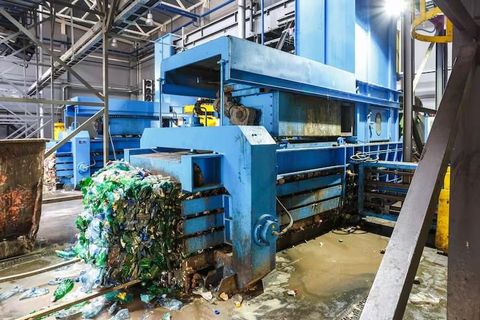
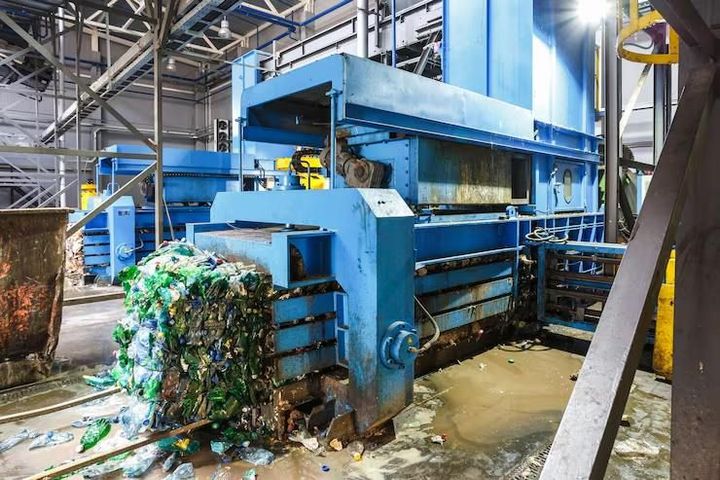
A commercial shredder machine is designed to reduce large or bulky materials into smaller pieces that are easier to handle, sort, process, transport, or recycle.
These machines are used across manufacturing, waste management, recycling, agriculture, packaging, and other industrial environments. Understanding how shredding works helps readers recognize the differences between machine types, material requirements, operating methods, and common applications.
Context
What Is a Commercial Shredder Machine?
A commercial shredder machine uses mechanical force to break materials into smaller fragments. Depending on the design, the machine may use rotating shafts, cutting blades, teeth, hammers, or other mechanisms to process materials.
Shredders differ from simple cutting equipment because they are generally designed to handle larger volumes or tougher materials. Some machines perform an initial size reduction, while others are incorporated into larger processing lines where shredding is followed by screening, separation, washing, or further size reduction.
Where Shredding Technology Comes From
Mechanical shredding developed from the need to process materials that were difficult to handle manually. As industrial production expanded, manufacturers and recycling facilities needed methods for reducing bulky materials into manageable forms.
Modern shredding equipment can process many material categories, including:
- Paper and cardboard
- Plastics and packaging materials
- Wood and agricultural residues
- Rubber and selected composite materials
- Electronic equipment and components
- Certain industrial production residues
The appropriate machine depends heavily on the material's composition, dimensions, moisture level, density, and desired output size.
How the Shredding Process Works
The basic process begins when material enters a feed area. Rotating components then apply mechanical force, causing the material to tear, cut, shear, compress, or break.
A simplified process can be described as:
Material feeding → Size reduction → Discharge → Screening or separation → Further processing
The output size depends on factors such as cutter configuration, shaft speed, screen openings, material characteristics, and machine settings. Some systems use screens to control the maximum size of discharged particles.
Importance
Why Shredding Matters
Shredding helps organizations manage materials that would otherwise occupy significant storage or handling space. Reducing material size can also make subsequent sorting, transportation, separation, or processing more practical.
For recycling operations, size reduction is often one stage in a larger material recovery process. Plastics may be shredded before sorting or washing, while electronic equipment can be reduced as part of controlled material recovery processes.
Industries That Use Shredders
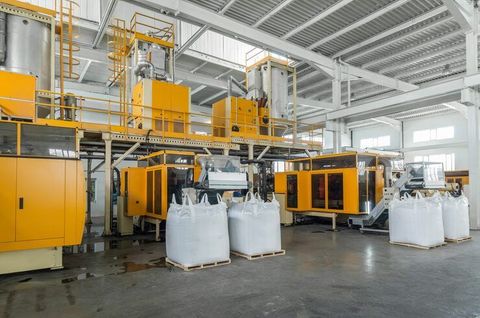
Commercial shredding equipment appears in several sectors. Manufacturing facilities may use it for production residues, while recycling facilities process discarded materials. Agricultural operations can use suitable shredders for plant residues, and packaging environments may process cardboard or plastic materials.
Different applications require different machine characteristics. A machine designed for light packaging material may not be appropriate for dense rubber, heavy plastics, or mixed industrial materials.
Main Factors Affecting Shredding
Material characteristics are important when determining how a shredding system should operate. The following factors can influence the process:
- Material type and composition
- Feed dimensions and shape
- Required output size
- Moisture content
- Material density
- Desired processing volume
- Presence of contaminants
- Need for sorting or separation after shredding
Safety is also an important consideration. Moving shafts, blades, and feeding mechanisms can create mechanical hazards, so equipment should be operated according to its instructions and applicable workplace requirements.
Common Shredder Types
Different machine configurations are associated with different processing needs.
| Shredder Type | General Function | Common Material Examples |
|---|---|---|
| Single-shaft | Controlled size reduction | Plastics, wood, production residues |
| Dual-shaft | Tearing and coarse reduction | Bulky materials, mixed waste |
| Four-shaft | Multi-stage cutting | Plastics, electronic materials, industrial residues |
| Granulator | Smaller particle reduction | Plastics and production scrap |
| Hammer-based system | Impact-based reduction | Selected mineral or organic materials |
These categories can overlap in practical applications. Machine configuration should be matched with the material and intended output rather than selected from the name alone.
Recent Updates
Automation and Process Monitoring
From 2024 through 2026, industrial material processing has continued moving toward greater automation and monitoring. Shredding systems increasingly appear within integrated processing lines that combine feeding, conveying, screening, separation, and monitoring functions.
Sensors and control systems can help monitor conditions such as motor load, temperature, operating status, and material flow. Automated controls can also help manage interruptions when unsuitable material enters a processing system.
Growing Focus on Electronic Waste
Electronic waste has become an important consideration for material-processing systems. The Global E-waste Monitor 2024 reported that 62 million tonnes of electronic waste were generated globally in 2022, while only 22.3% was documented as formally collected and recycled. This has increased attention on controlled processing, material recovery, and traceable waste management systems.
Shredding can be one stage in electronic waste processing, but electronic equipment requires careful handling because components may contain hazardous substances alongside recoverable materials. Appropriate separation and downstream processing are therefore important.
Continued Attention to Machine Safety
Safety requirements for shredding and chipping equipment have also continued to develop. Recent standards address areas such as mechanical hazards, guarding, construction, electrical safety, overload protection, and operating conditions for applicable equipment categories.
Industrial facilities may need to consider local regulations, machine-specific instructions, workplace safety procedures, and relevant technical standards. Requirements can differ according to machine design, location, material, and application.
Tools and Resources
Material Identification Guides
Material identification references can help users understand whether a particular material is suitable for mechanical size reduction. These references may cover plastics, paper grades, wood, rubber, electronic components, and other material categories.
Output Size Calculators
Some equipment manufacturers and engineering platforms provide calculators or worksheets for estimating particle size, throughput, screen dimensions, or related process parameters. These tools can help explain how machine settings influence the resulting material.
Recycling and Waste Data Platforms
The Global E-waste Monitor provides data about electronic waste quantities, material flows, collection, recycling, and related policy developments. It can be useful for understanding the broader context in which shredding and material recovery technologies are used.
Machine Documentation and Safety Checklists
Operating manuals, inspection templates, maintenance records, and workplace safety checklists can help organize information about equipment use. Documentation commonly covers feeding procedures, emergency controls, inspection points, protective equipment, and routine machine checks.
FAQs
What is a commercial shredder machine used for?
A commercial shredder machine is used to reduce materials into smaller pieces for easier handling, sorting, transportation, recycling, or further processing. The appropriate machine depends on the material and required output.
How does a commercial shredder machine work?
It uses mechanical components such as rotating shafts, cutters, teeth, or hammers to apply cutting, tearing, shearing, compression, or impact forces. The processed material is then discharged for additional handling or processing.
What materials can a commercial shredder machine process?
Depending on its design, a shredder may process plastics, paper, cardboard, wood, rubber, agricultural residues, electronic equipment, and selected industrial materials. Not every machine is suitable for every material.
What determines the output size of a commercial shredder machine?
Output size can be influenced by cutter arrangement, shaft speed, screen openings, material properties, and machine configuration. Systems requiring smaller particles may use additional grinding, granulation, or screening stages.
Are commercial shredders used in recycling?
Yes. Shredders can form part of recycling systems by reducing bulky materials before sorting, separation, washing, or additional processing. Their role varies according to the material stream and recycling process.
Conclusion
A commercial shredder machine reduces bulky or difficult materials into smaller pieces through mechanical size-reduction processes. Its design, cutting mechanism, operating conditions, and output requirements vary according to the material being processed. Recent developments have placed greater attention on automation, electronic waste processing, integrated recycling systems, and equipment safety. Understanding these fundamentals provides useful context for interpreting how shredding equipment fits into modern material-processing operations.