Bagging Machines Insights: Learn About Automated and Manual Packaging Systems
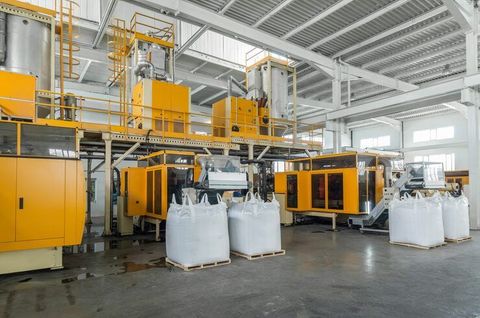
Bagging machines are packaging systems designed to place products into bags, fill them with a measured quantity, and close or seal the package.
They are used across industries that handle materials such as food products, agricultural goods, powders, granules, chemicals, animal feed, and various manufactured items. Depending on the application, a bagging system can involve manual loading, mechanical filling, automated weighing, sealing, labeling, or several of these functions together.
The development of bagging machines is closely connected with the need to package large quantities of materials in a consistent and organized way. Earlier packaging processes relied heavily on workers to hold bags, measure materials, fill containers, and close packages. As production environments became more structured, mechanical and automated systems were developed to perform repetitive packaging tasks with greater process consistency.
Today, bagging machines range from relatively simple equipment that assists with filling and sealing to integrated systems that connect weighing, filling, bag handling, sealing, and product movement. Understanding these differences helps explain how automated and manual packaging systems fit different operating environments.
How Bagging Systems Work
A typical bagging process begins with preparing an empty bag and positioning it beneath or around the filling point. The material is then measured and transferred into the bag. Depending on the machine design, measurement may involve a weighing mechanism, volumetric system, auger, conveyor, or another feeding method.
After filling, the bag may be compacted or settled before being closed. Closure methods can include heat sealing, stitching, adhesive-based methods, or mechanical folding, depending on the bag material and packaged product. Some systems then move the completed package to another part of the packaging area.
Manual and Automated Systems
Manual bagging equipment generally requires an operator to position bags, monitor filling, or perform closure steps. It can involve mechanical assistance while still retaining significant human involvement.
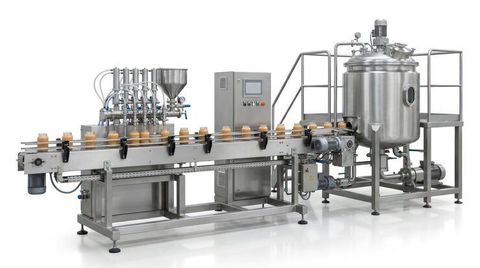
Automated bagging machines integrate more of these activities into a controlled sequence. Sensors, programmable controls, weighing equipment, conveyors, and automatic bag handling mechanisms can reduce the amount of direct intervention required during repeated packaging cycles.
Importance
Bagging machines matter because packaging affects how products are measured, contained, transported, stored, and identified. A suitable packaging process can help maintain consistency between packages while reducing unnecessary handling of materials.
The subject is relevant to manufacturers, agricultural processors, food businesses, warehouses, and other organizations that package products regularly. It is also relevant to workers who operate or maintain packaging equipment and to consumers who encounter packaged products in everyday settings.
Consistency in Packaging
One important function of bagging equipment is maintaining a repeatable filling process. Manual filling can vary because measurements and handling depend on individual actions. Machines can use weighing or controlled feeding mechanisms to establish a defined filling sequence.
Consistency does not mean that every machine produces identical results under every condition. Product density, moisture, particle size, bag dimensions, equipment settings, and maintenance can all influence the packaging process.
Handling Different Materials
Bagging systems are designed around the physical characteristics of the material being packaged. Powders may require different feeding methods from grains, pellets, or larger solid products.
Common factors include:
- Material flow characteristics
- Particle size and shape
- Bulk density
- Moisture content
- Bag material and dimensions
- Required package weight or volume
- Desired filling and closure method
Selecting equipment around these characteristics is important because a system designed for one material may not perform in the same way with another.
Manual Versus Automated Packaging
The differences between manual and automated systems can be summarized in several areas.
| Feature | Manual Packaging System | Automated Packaging System |
|---|---|---|
| Bag positioning | Usually operator-controlled | May be mechanically controlled |
| Filling | Operator involvement is common | Controlled through machine components |
| Measurement | Manual or assisted | Often integrated with weighing or dosing |
| Bag closure | May require direct handling | Can be incorporated into the sequence |
| Process monitoring | Primarily human observation | Sensors and control systems may assist |
| Flexibility | Often adaptable for smaller runs | Suited to structured repeated processes |
| Operator involvement | Generally higher | Generally lower during routine cycles |
These characteristics describe broad equipment categories rather than fixed rules. Specific machines can combine manual and automated functions in different ways.
Recent Updates
Packaging technology has continued to develop through greater use of electronic controls, sensors, data collection, and equipment integration. From 2024 through 2026, the general direction of packaging development has included more attention to process monitoring, machine connectivity, energy use, material efficiency, and flexible production requirements.
More Connected Equipment
Modern packaging equipment increasingly incorporates digital control systems that can monitor operating conditions and provide information about machine status. Connectivity can allow packaging equipment to exchange information with other production systems, depending on the installation.
This development supports greater visibility into production processes. It can also make troubleshooting more structured when equipment records operating information or identifies unusual conditions.
Greater Automation
Automation continues to expand beyond simple filling. Systems can combine bag placement, weighing, filling, sealing, conveying, and package inspection within a coordinated sequence.
The level of automation varies considerably. Some environments continue to use manual or semi-automatic equipment because the packaging process involves changing products, smaller production quantities, unusual bag formats, or frequent adjustments.
Packaging Material Considerations
Material efficiency has also become an important topic in packaging discussions. Businesses are examining bag thickness, material composition, package dimensions, and closure methods as part of broader efforts to reduce unnecessary packaging material.
Equipment must accommodate the physical properties of the selected bag. Changes in bag material can therefore affect sealing temperatures, handling characteristics, machine settings, and overall process behavior.
Machine Safety and Maintenance
Current packaging environments also place attention on guarding, emergency controls, sensor functions, operator access, and routine maintenance. Automated machinery still requires appropriate human oversight because moving parts, electrical systems, heated sealing components, and material handling equipment can create operational hazards.
Maintenance practices commonly include inspection, cleaning where appropriate, checking wear components, verifying sensors, and following the equipment manufacturer's operating documentation.
Tools and Resources
Several resources can help readers understand bagging machines and packaging processes. Manufacturer documentation can provide information about machine specifications, operating procedures, compatible materials, maintenance requirements, and control functions.
Packaging engineering references and industrial equipment databases can also help explain concepts such as weighing accuracy, filling methods, bag construction, sealing techniques, and conveyor integration.
Useful Calculation Methods
Basic calculations can help estimate packaging requirements. For example, dividing the total quantity of material by the intended quantity per bag provides an approximate number of packages required:
Number of bags = Total material quantity ÷ Quantity per bag
Actual packaging requirements may differ because of production losses, measurement tolerances, rejected packages, material characteristics, and operating conditions.
Digital Resources
Useful resources may include:
- Equipment manuals and technical documentation
- Packaging association publications
- Industrial safety guidance
- Packaging material specifications
- Weight and unit conversion calculators
- Production planning spreadsheets
- Equipment maintenance checklists
- Packaging process diagrams and training materials
These resources can help readers understand terminology and compare different packaging processes without relying on a single equipment configuration.
FAQs
What are bagging machines used for?
Bagging machines are used to fill and close bags containing products such as grains, powders, pellets, food materials, agricultural products, and manufactured goods. Their functions vary according to the material and packaging format.
How do automated bagging machines work?
Automated bagging machines coordinate multiple packaging steps through mechanical components, sensors, controls, and feeding systems. A system may automatically position bags, measure material, fill containers, seal them, and transfer completed packages.
What is the difference between manual and automated bagging systems?
Manual systems depend more heavily on operator involvement for activities such as bag positioning, filling, or closure. Automated systems perform more of these steps through programmed mechanical and electronic controls.
What factors affect bagging machine performance?
Material characteristics, bag dimensions, filling method, measurement system, machine settings, maintenance, and operating conditions can all affect performance. The suitability of the equipment depends on the specific packaging application.
Can bagging machines handle different types of materials?
Yes, different bagging machines are designed for different material characteristics. Powders, grains, granules, pellets, and other products may require different feeding and measurement technologies.
Conclusion
Bagging machines support packaging processes by combining material filling, measurement, bag handling, and closure functions in different configurations. Manual, semi-automatic, and automated systems each involve different levels of operator participation and process control. Recent developments have placed greater attention on automation, connectivity, packaging materials, monitoring, and equipment safety. Understanding these factors provides useful context for evaluating how packaging systems function across different applications.