Spinning Machines Insights: Learning About Textile Production and Machine Functions
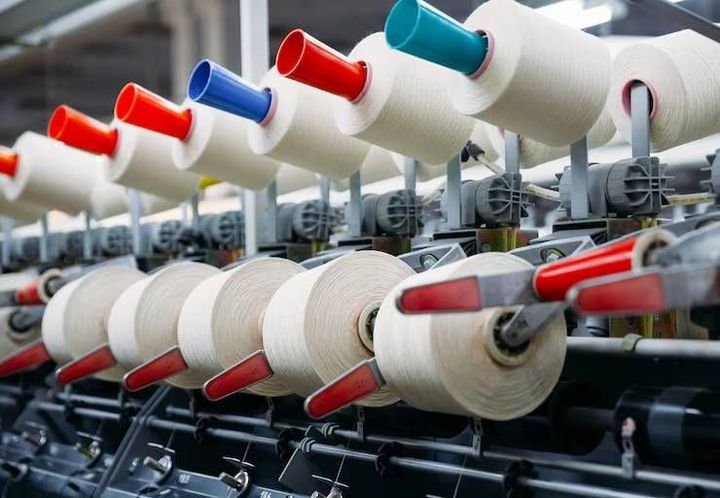
Spinning machines are important pieces of equipment used in textile production to transform textile fibers into yarn.
Fibers such as cotton, wool, flax, and various manufactured fibers begin as loose materials and must be prepared, aligned, and twisted before they can become suitable yarn for weaving or knitting. Spinning machines perform several controlled mechanical steps that help create yarn with the required structure.
The development of mechanical spinning changed textile production by moving yarn preparation from primarily manual processes toward organized industrial production. Modern spinning systems combine mechanical components, electronic controls, sensors, and computerized monitoring to manage operations with greater consistency.
How Textile Spinning Works
The spinning process normally begins with fiber preparation. Raw fibers are opened and cleaned, then arranged into a more uniform form. Carding separates and aligns fibers, while drawing improves the evenness of the fiber strand. Depending on the production method, additional preparation may take place before the final spinning stage.
During spinning, fibers are drafted and twisted. Drafting reduces the thickness of the fiber strand, while twisting gives the yarn strength and structure. The finished yarn can then move toward processes such as winding, weaving, knitting, dyeing, or other textile applications.
Common Types of Spinning Machines
Different spinning technologies create yarn through different mechanical principles. Common categories include:
- Ring spinning machines, which use a spindle and traveler arrangement to draft and twist fibers.
- Rotor spinning machines, which use a rotating rotor to collect and twist separated fibers.
- Air-jet spinning machines, which use controlled airflow to form yarn around a fiber core.
- Open-end spinning systems, commonly associated with rotor technology, which can process certain fibers without the conventional ring-and-spindle arrangement.
The choice of technology depends on factors such as fiber characteristics, yarn requirements, production processes, and the desired physical properties of the yarn.
Importance
Spinning machines matter because yarn quality influences many later stages of textile production. Variations in yarn thickness, twist, strength, or fiber distribution can affect the appearance and performance of fabrics. Consistent spinning therefore helps textile producers maintain predictable material characteristics across production batches.
The topic also affects people indirectly through clothing, household textiles, industrial fabrics, and other products made from yarn. Understanding the machinery provides useful context for anyone interested in how textile materials move from raw fibers to finished fabrics.
Factors That Influence Yarn Quality
Several variables can influence the result produced by a spinning machine. Fiber length and fineness are important because different fibers behave differently during drafting and twisting. Moisture conditions, machine settings, spindle or rotor speed, and the condition of machine components can also affect yarn formation.
Operators and production teams commonly monitor characteristics such as:
- Yarn thickness and uniformity
- Twist level
- Yarn strength
- Fiber cleanliness
- Breakage frequency
- Production speed
- Waste generation
Monitoring these characteristics helps identify process variations before they affect larger quantities of material.
Efficiency and Production Challenges
Textile spinning involves balancing production speed with yarn quality. Increasing mechanical speed can influence fiber control, tension, heat generation, and breakage, so machines must operate within suitable process conditions.
Energy consumption is another consideration. Spindles, rotors, motors, fans, compressors, and other components require energy during operation. Modern textile facilities therefore increasingly examine machine efficiency, energy monitoring, process control, and maintenance planning as part of overall production management.
| Spinning Technology | Main Principle | Typical Yarn Characteristics |
|---|---|---|
| Ring spinning | Drafting and spindle twisting | Fine, versatile yarn structures |
| Rotor spinning | Fiber collection and rotor twisting | Suitable for many medium and coarse yarn applications |
| Air-jet spinning | Airflow-assisted fiber wrapping | Uniform yarn formation with specific structural properties |
| Open-end spinning | Direct fiber-to-yarn formation | Efficient processing for selected fiber and yarn ranges |
The table provides a general comparison; actual results depend on fiber type, machine configuration, operating conditions, and yarn specifications.
Recent Updates
From 2024 through 2026, textile production has continued moving toward greater automation, digital monitoring, and resource efficiency. Rather than relying only on manual inspection, many modern production systems use sensors and computerized controls to collect information about machine conditions and yarn formation.
Automation and Digital Monitoring
Modern spinning machines increasingly integrate sensors that can detect changes in production conditions. Data may include spindle behavior, yarn breaks, temperature, vibration, speed, and other operating parameters.
Connected monitoring systems can bring information from multiple machines into a centralized interface. This allows production teams to examine trends and identify unusual operating conditions more quickly than with periodic manual checks alone.
Artificial Intelligence and Predictive Analysis
Artificial intelligence and machine-learning techniques are also being explored for textile production. These approaches can analyze production data to identify patterns associated with yarn irregularities, equipment conditions, or process variation.
Predictive analysis is particularly relevant to maintenance planning. Instead of relying exclusively on fixed inspection intervals, data-based systems can help identify changing machine conditions that may require closer examination.
Energy and Resource Awareness
Energy efficiency has become an increasingly important consideration for textile manufacturers. Modern equipment development includes attention to motor efficiency, automated controls, airflow management, and process optimization.
There is also greater interest in reducing material waste and improving fiber utilization. Better process monitoring can help textile facilities understand where waste occurs and how operating conditions influence material usage.
Tools and Resources
Several resources can help readers understand spinning machines and textile production without requiring an engineering background.
Textile Calculators
Yarn-related calculators can help explain concepts such as yarn count, production rates, twist, and fiber-to-yarn relationships. These tools are useful for understanding how changes in one measurement can relate to another.
Textile Industry Websites
Organizations and educational platforms focused on textile technology provide explanations of fiber processing, spinning methods, yarn testing, and textile manufacturing terminology. Technical glossaries are particularly useful when unfamiliar terms appear in machine specifications or educational material.
Machine Monitoring Platforms
Digital monitoring platforms can collect production information from connected textile machinery. Depending on the system, dashboards may display machine status, production information, yarn-break data, energy measurements, and process trends.
Yarn Testing Resources
Laboratory instruments and testing resources help measure yarn properties such as strength, elongation, evenness, hairiness, and twist. These measurements provide objective information about yarn characteristics and can be compared with defined production specifications.
FAQs
What are spinning machines used for?
Spinning machines transform prepared textile fibers into yarn by controlling processes such as drafting, twisting, and fiber alignment. Different machine types use different mechanisms to form the yarn.
How do Spinning Machines affect textile production?
Spinning Machines influence yarn structure, consistency, production speed, and material use. Their operating conditions can affect the characteristics of yarn used in later textile processes.
What are the main types of Spinning Machines?
Common types include ring, rotor, air-jet, and open-end spinning systems. Each technology uses a different method for controlling and twisting fibers into yarn.
Why is automation important in spinning machines?
Automation allows machines to monitor operating conditions and collect production data with limited manual intervention. Sensors and computerized controls can help identify process changes and support consistent production monitoring.
What factors affect yarn quality in spinning?
Fiber properties, drafting conditions, twist, machine speed, moisture, component condition, and process settings can all influence yarn quality. The importance of each factor varies according to the fiber and spinning technology.
Conclusion
Spinning machines form a central part of textile production by converting prepared fibers into structured yarn. Ring, rotor, air-jet, and open-end technologies use different mechanisms and can produce yarn with different characteristics. Current developments increasingly involve automation, digital monitoring, data analysis, and attention to energy and material efficiency. Understanding these functions provides useful background for following how fibers progress through modern textile manufacturing.