Mobile Crushers Basics: Learning About Portable Crushing Systems and Uses
Mobile crushers are portable machines designed to reduce rocks, concrete, asphalt, and other hard materials into smaller pieces.
Unlike fixed crushing plants, these systems can be moved between work areas, making them useful for construction, quarrying, mining, demolition, recycling, and infrastructure projects. Understanding mobile crushers basics helps general readers see how portable crushing systems work, what types exist, and where they are commonly used.
Context
What Are Mobile Crushers?
A mobile crusher combines a crushing mechanism with a mobile platform, usually using tracks, wheels, or another transportable configuration. The machine receives larger material through a feed opening and applies mechanical force to reduce its size.
The crushed material may then be screened, separated, or transferred for additional processing. Some mobile systems integrate crushing and screening functions, while others operate alongside separate equipment.
How Portable Crushing Systems Developed
Traditional crushing operations often relied on fixed plants that required prepared foundations, permanent layouts, and established material-flow routes. These arrangements can work well when large quantities of material are processed at one location for long periods.
Portable crushing systems developed to provide greater movement between processing locations. Their design allows crushing activities to take place closer to where material is extracted, demolished, or generated. This can reduce unnecessary movement of large quantities of unprocessed material.
Main Components
Although designs differ, a typical mobile crusher can include several important components:
- Feed hopper: Receives material before it enters the crushing chamber.
- Feeder: Controls the movement of material into the crusher.
- Crusher unit: Applies mechanical force to break material into smaller pieces.
- Conveyor: Transfers processed material away from the crushing area.
- Power system: Provides energy for the crushing and material-handling functions.
- Control system: Allows operators to monitor and adjust machine functions.
The exact arrangement depends on the crusher type, intended application, material characteristics, and required output size.
Importance
Why Mobile Crushers Matter
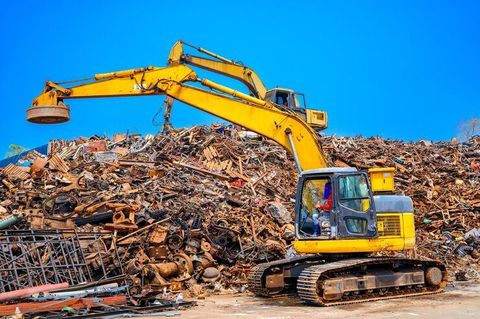
Mobile crushers are relevant because construction, demolition, quarrying, and mining activities often involve materials that need to be reduced or processed near their source. Moving large quantities of bulky rock or demolition debris over long distances can require additional handling and transportation.
Portable crushing systems can allow material processing to take place closer to the work area. In some applications, crushed material can then be used as an input for another stage of a project, depending on its composition and required specifications.
Common Materials
Mobile crushers can process different materials, although a particular machine may be designed for specific feed characteristics. Common examples include:
- Natural rock
- Concrete from demolition
- Asphalt materials
- Aggregates
- Construction and demolition debris
- Certain mineral materials
Material hardness, moisture, size, abrasiveness, and composition can influence crushing performance. For this reason, equipment selection generally depends on the material being processed rather than on machine size alone.
Types of Mobile Crushers
Different crushing mechanisms are used for different applications. The main categories can be summarized as follows:
| Crusher Type | General Crushing Method | Common Applications |
|---|---|---|
| Jaw crusher | Compression between a fixed and moving jaw | Hard rock, concrete, primary crushing |
| Impact crusher | Impact force from rapidly moving components | Aggregates, asphalt, recycling |
| Cone crusher | Compression between a rotating cone and surrounding surface | Secondary and tertiary crushing |
| Hammer crusher | Repeated impact from hammers | Selected softer or moderately hard materials |
| Mobile screening crusher system | Crushing combined with screening | Material separation and size control |
A jaw crusher is commonly associated with primary crushing, where relatively large pieces are reduced to a smaller size. Cone crushers are often used after initial size reduction when a more controlled particle size is required.
Impact crushers use repeated impact rather than primarily relying on compression. They are used in several aggregate and recycling applications, but suitability depends on the characteristics of the material.
Who Uses These Systems?
Mobile crushing equipment can be relevant to several industries and activities. Quarry operators may use it to process extracted rock, while construction projects can use portable systems for certain materials generated during site work.
Demolition and recycling activities may also involve mobile crushers for processing concrete, asphalt, and other suitable materials. Infrastructure projects can require temporary material-processing arrangements when work takes place across changing locations.
Recent Updates
Current Trends in Mobile Crushing
Recent developments from 2024 through 2026 have continued to focus on automation, equipment monitoring, energy efficiency, transport flexibility, and improved material handling. Manufacturers and equipment developers have increasingly incorporated electronic control systems that help operators monitor machine conditions and adjust operating parameters.
Remote monitoring and digital diagnostics are also becoming more common across heavy equipment. These technologies can provide information about machine operation, alerts, production conditions, and maintenance requirements, although the specific functions vary between systems.
Electrification and Energy Considerations
Electrification is another developing area within mobile crushing. Battery-electric and hybrid equipment concepts are being explored for applications where reducing direct fuel use or local exhaust emissions is relevant.
The practical suitability of an electric system depends on factors such as power availability, operating duration, machine size, site conditions, and charging infrastructure. Conventional diesel-powered equipment remains present across many applications.
Greater Process Integration
Another trend is greater integration between crushing, screening, conveying, and material management. A coordinated setup can help reduce unnecessary movement between individual processing stages.
Automation can also assist with maintaining consistent operating conditions. However, automated features do not remove the need for appropriate setup, inspection, safe operating procedures, and trained personnel.
Tools and Resources
Equipment Specifications
Manufacturer specification sheets are useful for understanding crusher dimensions, feed openings, operating weight, power requirements, throughput ranges, discharge settings, and transport arrangements. These specifications should be examined in relation to the intended material and application.
Material Calculators
Aggregate and construction calculators can help estimate quantities, volume, density, and material requirements. Such calculations are useful when planning how much material may need to be processed or transported.
Safety and Technical Resources
Workplace safety authorities, equipment manuals, technical standards organizations, and industry associations provide information about safe machinery operation, inspection procedures, guarding, and workplace practices. Operators should follow the applicable requirements for their location and equipment.
Crushing Process Planning
A simple planning worksheet can record material type, maximum feed size, desired output size, expected operating hours, site access, power source, screening requirements, and material-handling arrangements. Comparing these factors can provide a clearer picture of how a portable crushing setup fits into a particular application.
FAQs
What are mobile crushers used for?
Mobile crushers are used to reduce materials such as rock, concrete, asphalt, and selected mineral materials into smaller pieces. Applications include quarrying, construction, demolition, recycling, and infrastructure work.
How do mobile crushers work?
A mobile crusher receives material through a feed system and directs it into a crushing chamber. Mechanical force then breaks the material into smaller pieces, which may be discharged through a conveyor or passed to another processing stage.
What types of mobile crushers are available?
Common types include jaw, impact, cone, and hammer crushers. The appropriate type depends on material characteristics, required reduction, desired output, and the position of the crusher within the processing sequence.
Why are portable crushing systems used on construction sites?
Portable crushing systems can process suitable materials closer to where they are generated. This can be useful when construction or demolition activities take place at locations where a permanent crushing plant is not practical.
What should be considered when selecting a mobile crusher?
Important considerations include material type, feed size, required output size, processing capacity, mobility, power source, screening needs, site conditions, and applicable safety requirements. The machine should be matched to the specific processing application.
Conclusion
Mobile crushers are portable systems that reduce rock, concrete, asphalt, and other suitable materials into smaller sizes for further processing or use. Jaw, impact, cone, and hammer crushers use different mechanical approaches and are suited to different material and processing conditions. Recent developments have focused on automation, monitoring, electrification, and integration with screening and conveying equipment. Understanding these systems provides useful context for how modern material-processing operations handle changing work locations and varied feed materials.