Cutting Technology Basics: Learning About Cutting Processes and Equipment
Cutting technology refers to the methods, tools, and equipment used to separate, shape, or remove material to create a required form.
It is used with materials such as metals, wood, plastics, glass, stone, textiles, and composites. Understanding cutting technology basics helps explain how cutting processes work, why different equipment is selected for different materials, and how modern production methods have developed.
Context
What Cutting Technology Means
Cutting is one of the fundamental processes used to transform raw materials into usable shapes and components. Depending on the material and desired result, cutting may involve a blade, saw, abrasive wheel, laser, water jet, plasma arc, or another cutting mechanism.
The basic principle is relatively simple: a cutting tool applies enough force or energy to separate material along a planned path. Some processes physically remove material, while others use heat, pressure, or high-speed energy to create the separation.
Cutting technology developed alongside manufacturing, construction, woodworking, textile production, and other industries. Traditional hand tools eventually expanded into powered machines, automated equipment, and computer-controlled systems capable of following precise cutting patterns.
Common Cutting Processes
Different cutting processes are designed for different materials, thicknesses, shapes, and production requirements. Mechanical cutting uses physical contact between a tool and the material, while thermal and energy-based methods use heat or concentrated energy.
Common processes include:
- Saw cutting, which uses toothed blades for materials such as metal, wood, and plastic.
- Shearing, which separates sheet materials using opposing cutting edges.
- Milling and machining, which remove controlled amounts of material with rotating tools.
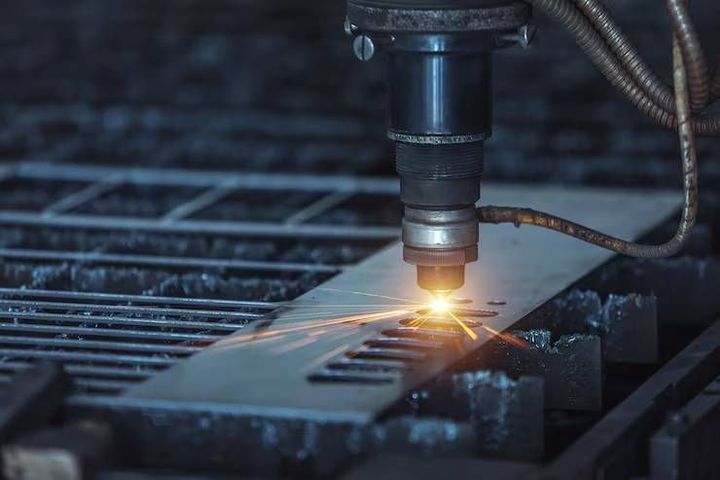
- Laser cutting, which uses a concentrated beam of light to process selected materials.
- Plasma cutting, which uses a high-temperature plasma arc for electrically conductive materials.
- Waterjet cutting, which uses a high-pressure water stream, sometimes combined with abrasive particles.
- Abrasive cutting, which uses abrasive particles or wheels to separate or shape materials.
Main Types of Cutting Equipment
Cutting equipment ranges from manually operated tools to automated computer-controlled machinery. A basic cutting machine may require an operator to guide the material, while advanced systems can use programmed movements to follow digital designs.
Equipment selection depends on several factors, including material type, thickness, required dimensions, shape complexity, production volume, surface requirements, and workplace conditions. No single cutting method is suitable for every application.
Importance
Why Cutting Processes Matter
Cutting processes have a direct effect on the dimensions and condition of the finished material. An unsuitable process can produce rough edges, excessive heat, distortion, inaccurate dimensions, or unnecessary material waste.
For everyday products, cutting may take place long before the final item reaches consumers. Metal components in buildings, wooden panels in furniture, plastic parts in household products, and fabric pieces in clothing can all involve some form of cutting during production.
People and Industries Affected
Cutting technology is relevant to manufacturers, construction workers, engineers, fabricators, designers, technicians, and equipment operators. It also has an indirect connection with consumers because the quality and consistency of manufactured components can influence the final products they use.
Modern cutting systems can also affect workplace practices. Machines with automated controls, enclosed cutting areas, extraction systems, sensors, and monitoring features can change how operators interact with cutting equipment.
Factors That Influence Cutting Results
Several conditions influence the outcome of a cutting process:
- Material properties, including hardness, thickness, density, and heat sensitivity.
- Tool selection, including blade type, cutting edge, abrasive specification, or energy source.
- Cutting speed, which can influence heat generation, edge quality, and processing time.
- Feed rate, which describes how quickly material moves through a cutting operation.
- Accuracy requirements, particularly when components must fit together.
- Equipment condition, since worn tools can affect cutting consistency.
- Workholding, which helps keep material stable during processing.
Understanding these factors makes it easier to see why cutting equipment is selected according to the application rather than simply by machine size.
Recent Updates
Automation and Digital Control
A major current trend in cutting technology is greater use of automation and digital control. Computer numerical control systems allow machines to follow programmed paths based on digital drawings or production data.
This approach can reduce the amount of manual positioning required for repetitive operations. It can also support consistent movement and repeatable cutting patterns when equipment is correctly configured.
Improved Monitoring
Modern cutting equipment increasingly incorporates sensors and monitoring functions. These systems can track conditions such as machine movement, operating parameters, tool condition, temperature, or other process information.
Monitoring can help operators identify unusual operating conditions earlier. In automated environments, collected information may also be integrated with broader production-management systems.
Greater Material Efficiency
Material efficiency continues to be an important consideration. Digital nesting software can arrange multiple cutting patterns within a sheet, plate, or other material area to reduce unused sections.
This development is particularly relevant when working with expensive or limited materials. Software-based planning can also help organize cutting sequences before physical processing begins.
Wider Use of Advanced Cutting Methods
Laser, waterjet, plasma, and other advanced processes continue to be used alongside conventional mechanical methods. Their application depends on material characteristics and the required result.
The broader trend is toward combining different cutting approaches rather than relying on one process for every material. Equipment capabilities, automation, digital design, and process monitoring increasingly work together as part of integrated manufacturing environments.
Tools and Resources
Cutting Tools and Measurement Equipment
Basic cutting operations may involve saws, blades, shears, abrasive wheels, or machine tools. Measurement equipment such as rulers, calipers, gauges, and digital measuring devices helps verify dimensions before and after cutting.
For more advanced applications, computer-controlled machinery can work with digital design files. These files provide cutting paths and dimensions that guide automated equipment.
Calculators and Planning Software
Cutting calculators can help estimate material requirements, cutting lengths, blade speeds, or other process parameters. The exact calculations depend on the equipment and material involved.
Nesting and layout software can arrange shapes on available material. This is particularly useful when several components must be cut from the same sheet or panel.
Educational Websites and Technical Documentation
Technical education websites, equipment manuals, manufacturing references, and occupational safety resources can help readers understand specific cutting processes. Manufacturer documentation can also explain machine capabilities, operating parameters, maintenance requirements, and material limitations.
For beginners, diagrams of cutting mechanisms and simple process comparisons can make technical concepts easier to understand.
Basic Process Comparison
| Cutting Process | Typical Materials | Main Cutting Principle | Common Consideration |
|---|---|---|---|
| Saw cutting | Metal, wood, plastic | Toothed blade | Blade selection |
| Shearing | Sheet metal, fabric | Opposing edges | Material thickness |
| Laser cutting | Metal, plastics, other materials | Concentrated light energy | Heat and material response |
| Plasma cutting | Conductive metals | Plasma arc | Electrical conductivity |
| Waterjet cutting | Stone, metal, glass, composites | High-pressure water | Material thickness |
| Abrasive cutting | Metal, masonry, composites | Abrasive particles | Heat and edge condition |
FAQs
What is cutting technology?
Cutting technology covers the processes, tools, equipment, and methods used to separate or shape materials. It includes mechanical, thermal, abrasive, and energy-based cutting techniques.
Which cutting process is suitable for metal?
The appropriate process depends on metal type, thickness, shape, accuracy requirements, and the desired edge condition. Sawing, shearing, laser cutting, plasma cutting, waterjet cutting, and machining can all be used in different circumstances.
How does modern cutting technology improve accuracy?
Computer-controlled movement, digital design files, sensors, automated positioning, and controlled operating parameters can support repeatable cutting paths. Actual accuracy depends on the equipment, material, setup, and operating conditions.
What equipment is used in cutting technology basics?
Common equipment includes saws, shears, cutting machines, laser systems, plasma systems, waterjet equipment, abrasive wheels, and computer-controlled machinery. Supporting tools include measuring instruments and workholding equipment.
What factors affect cutting quality?
Material properties, tool condition, cutting speed, feed rate, machine setup, workholding, and process selection can all influence cutting quality. Heat generation and vibration may also affect the final result.
Conclusion
Cutting technology includes a broad range of processes used to separate and shape materials for manufacturing, construction, fabrication, and other applications. Mechanical tools, thermal methods, abrasive processes, and digitally controlled equipment each have different operating principles and material requirements. Current developments increasingly combine automation, monitoring, digital planning, and material-efficiency techniques. Understanding these basics provides a foundation for comparing cutting processes and equipment according to their intended applications.