Drilling Equipment Insights: Learning About Modern Drilling Technologies
Drilling equipment refers to the machines, tools, controls, and supporting systems used to create holes in soil, rock, concrete, or other underground formations.
Drilling is used in areas such as water wells, construction, mining, geotechnical investigation, quarrying, and energy production. Equipment varies according to ground conditions, drilling depth, hole size, and project purpose.
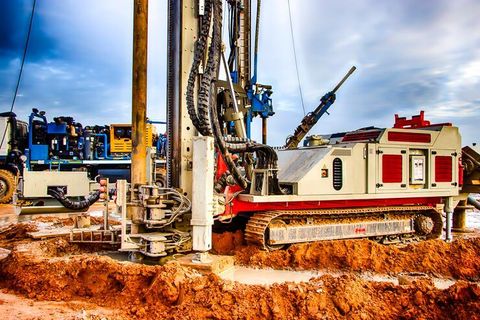
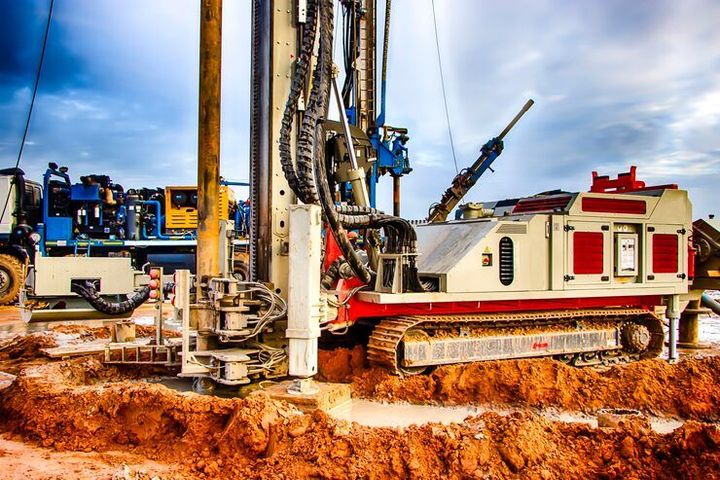
Modern drilling equipment has developed from relatively simple mechanical tools into coordinated systems that combine power units, rotating mechanisms, drill strings, pumps, sensors, and control systems. A typical rig may include a mast or derrick, a rotary or top-drive system, hoisting equipment, a drill string, a drilling bit, and systems for removing cuttings.
How drilling systems work
The basic process involves applying force to the ground while rotation, impact, or both break or penetrate the material. The drill string transfers energy from surface equipment to the bit, while air, water, or drilling fluid can help remove material and manage conditions inside the hole.
Different machines are designed for different drilling methods. Rotary drilling uses continuous rotation, while percussive drilling relies on repeated impacts. Down-the-hole systems position an impact mechanism near the bit and can be useful in hard rock. The appropriate approach depends on geology, depth, access, hole requirements, and operating conditions.
Importance
Why drilling equipment matters
Drilling equipment supports infrastructure development, natural-resource studies, water access, construction foundations, and underground investigation. Before a building, road, tunnel, or similar structure is developed, drilling can help determine what lies below the surface. Boreholes can also support sampling and measurements that improve understanding of soil and rock conditions.
Equipment selection can affect accuracy, stability, and operating conditions. A machine that does not match the ground may experience excessive vibration, slower penetration, premature wear, or unstable operation. Planning therefore involves matching the drilling method with the site and the intended result.
Safety and operating considerations
Drilling sites can involve rotating machinery, high-pressure systems, heavy components, electrical energy, noise, dust, and uneven ground. Safety practices generally include equipment inspections, hazard identification, protective barriers, suitable personal protective equipment, training, and procedures for controlling hazardous energy. Workplace guidance also emphasizes inspection and maintenance because drilling equipment is exposed to stress and vibration during operation.
For underground construction, equipment inspection before use and inspection of the drilling area are among the requirements described in U.S. workplace regulations. Specific rules vary by country, project type, and work environment, so applicable local requirements need to be considered.
Main equipment categories
| Equipment group | Main function | Common applications |
|---|---|---|
| Drill rig | Provides structure and drilling power | Construction, mining, wells |
| Drill bit | Breaks or penetrates material | Soil, rock, concrete |
| Drill string | Transfers force and rotation | Deep and surface drilling |
| Fluid system | Circulates drilling fluid | Well and formation drilling |
| Air compressor | Supplies compressed air | Rock and pneumatic drilling |
| Hoisting system | Raises and lowers components | Rig operations |
| Control system | Monitors and manages equipment | Automated and conventional rigs |
Recent Updates
Automation and digital control
From 2024 through 2026, drilling technology has continued moving toward automation, connected sensors, remote operation, and real-time data analysis. Modern systems can collect information about drilling parameters and use software to support adjustments while work is underway. Industry discussions in 2026 also describe growing use of edge computing, cloud connections, open data structures, and integrated digital workflows.
Automation has also moved beyond simple monitoring. In 2025, integrated automated drilling systems demonstrated closed-loop control involving surface equipment, directional drilling, hydraulics, and real-time models. Such developments show how some operations are using systems that coordinate several drilling functions within defined operating limits.
Electrification and energy management
Another developing area is the use of electrical power, energy storage, regenerative systems, and advanced power controls. Research published in 2026 describes combinations of batteries, supercapacitors, regenerative braking, variable-frequency drives, sensors, and supervisory control systems for managing drilling-rig power demand. Practical designs vary by rig type and operating environment.
Mining and underground drilling have also seen battery-powered equipment and tele-remote functions appear in newer machine designs. These developments address operating environments where ventilation, electrical access, machine positioning, and worker location are important considerations.
Data-driven maintenance
Sensors and connected monitoring systems are increasingly used to observe vibration, pressure, temperature, rotation, and other operating conditions. This can support maintenance planning by helping teams identify unusual equipment behavior earlier. Digital records can also help compare conditions across drilling cycles, although data quality and proper interpretation remain important.
Tools and Resources
Planning and measurement tools
Drilling projects can use several practical resources before and during operations. Ground investigation reports describe expected soil and rock conditions, while drilling logs record depth, material changes, penetration behavior, and sampling information. Equipment manuals and maintenance schedules provide machine-specific operating and inspection details.
Useful digital resources may include:
- Drilling parameter calculators for estimating relationships among depth, rotation, penetration, and related variables.
- Geological mapping platforms for reviewing terrain, formations, and site information.
- Equipment monitoring dashboards for viewing sensor readings and operating conditions.
- Maintenance checklists for recording mechanical, hydraulic, electrical, and safety inspections.
- Regulatory and workplace-safety databases for checking requirements applicable to a location or activity.
Selecting suitable technology
A useful comparison starts with the drilling objective rather than the machine name. Important factors include hole diameter, required depth, ground hardness, water conditions, access limitations, available power, mobility requirements, and the type of information needed from the borehole.
Modern drilling equipment may also be assessed according to its control architecture. Conventional systems rely more heavily on direct operator control, while automated systems can use sensors and programmed logic to regulate selected drilling functions. Both approaches still require trained personnel, inspection, maintenance, and site-specific risk controls.
FAQs
What is drilling equipment?
Drilling equipment includes rigs, drill bits, drill strings, power systems, pumps, hoisting mechanisms, controls, and related tools used to create holes in soil, rock, or other materials. The equipment depends on the drilling method and project purpose.
How has modern drilling equipment changed?
Modern drilling equipment increasingly combines sensors, digital controls, automation, remote monitoring, and data analysis. These technologies can help operators observe drilling conditions and manage selected machine functions in real time.
What are the main types of drilling technology?
Common approaches include rotary drilling, percussive drilling, down-the-hole drilling, core drilling, and specialized systems for particular ground conditions. Each method uses mechanisms and tools suited to its application.
Why is equipment maintenance important for drilling operations?
Drilling machines operate under mechanical loads, vibration, pressure, and changing site conditions. Regular inspection and maintenance can help identify worn or damaged components and support safe, consistent operation.
What factors affect drilling equipment selection?
Important factors include geology, drilling depth, hole diameter, access, sampling needs, power availability, mobility, environmental conditions, and the controls required for the task.
Conclusion
Drilling equipment has developed from mainly mechanical machinery into increasingly connected systems that combine drilling tools, sensors, automation, and digital controls. Its applications range from construction and mining to water investigation and energy-related drilling. Developments from 2024 through 2026 show continued attention to automation, remote monitoring, electrification, and data-driven equipment management. Understanding basic machine categories and operating factors helps explain how different drilling technologies correspond to different ground and project conditions.