Container Handling Systems Basics: Learning About Ports, Terminals, and Logistics
Container handling systems are the equipment, processes, and digital technologies used to move shipping containers through ports, terminals, yards, and connected transport networks.
Container Handling Systems Basics helps explain how containers are unloaded from vessels, transferred between handling areas, stored temporarily, and moved onward by road or rail. Understanding these systems provides useful context for how international logistics works and why coordinated container movement matters to businesses and everyday consumers.
Context
What Are Container Handling Systems?
Container handling systems bring together mechanical equipment, operational procedures, and information technology to manage containers as they pass through a terminal. A container may arrive on a large vessel, move through a quay area, travel across a storage yard, and later leave by truck or rail.
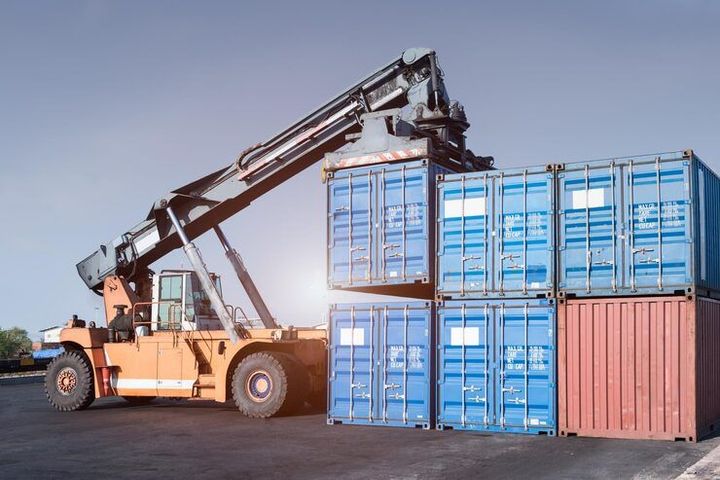
The equipment used for these activities varies according to terminal design and container volume. Common examples include quay cranes, rubber-tired gantry cranes, rail-mounted gantry cranes, reach stackers, terminal tractors, straddle carriers, and automated guided vehicles.
How Container Movement Developed
The growth of standardized shipping containers transformed cargo transportation by creating a common unit that could move between ships, trucks, and trains without unloading the individual goods inside. This approach helped connect different forms of transportation within one logistics chain.
As container traffic expanded, ports needed organized systems for lifting, stacking, tracking, and transferring containers. Modern terminals now combine physical handling equipment with software that records container locations, schedules movements, and coordinates different parts of the operation.
Main Areas of a Container Terminal
A typical container terminal can be divided into several working areas. The quay is where vessels are loaded and unloaded, while the container yard is used for temporary storage and organization.
Gates connect the terminal with road transportation, and rail areas may connect containers with inland rail networks. Each area has different handling requirements, but all must work together to maintain an orderly flow.
| Terminal Area | Main Function | Common Equipment |
|---|---|---|
| Quay | Vessel loading and unloading | Quay cranes |
| Yard | Container storage and organization | Yard cranes, straddle carriers |
| Gate | Road vehicle entry and exit | Gate systems, inspection equipment |
| Rail area | Transfer between rail and terminal | Rail-mounted cranes |
| Internal roads | Container movement within terminal | Terminal tractors |
Importance
Why Container Handling Matters
Container handling affects how efficiently goods move between international shipping routes and inland destinations. A delay at one stage can influence later activities because vessels, trucks, trains, storage areas, and customs processes often depend on coordinated information.
For everyday consumers, the effects can appear indirectly. Imported food, electronics, household products, industrial materials, and many other goods may pass through container terminals before reaching warehouses, stores, or other destinations.
Challenges in Modern Terminals
Ports must manage large amounts of cargo while maintaining safe movement around heavy machinery and moving vehicles. Space management is another challenge because containers may need to remain in a yard temporarily while waiting for onward transportation or documentation.
Other challenges include:
- Coordinating vessel arrival and departure activities
- Keeping accurate records of container locations
- Managing road and rail traffic inside terminal areas
- Handling refrigerated containers that require continuous monitoring
- Separating hazardous cargo from other containers where required
- Reducing unnecessary equipment movements
- Maintaining reliable communication between different systems
Safety and Workforce Considerations
Container terminals contain large lifting machines, moving vehicles, elevated structures, and heavy loads. Safety procedures therefore play an important role in terminal planning and daily operations.
Automation can reduce the need for people to work directly in some high-risk areas, but automated equipment also requires monitoring, maintenance, system management, and appropriate safety controls. Human oversight remains important when unusual situations or equipment problems occur.
Recent Updates
Greater Digitalization
A major trend across ports from 2024 through 2026 has been the continued movement toward digital information exchange. Maritime Single Window systems became mandatory under International Maritime Organization requirements from 2024, supporting electronic information exchange between ships, ports, and relevant public authorities.
Digital systems are also increasingly connected with terminal operating platforms. These systems can record container movements, coordinate equipment assignments, monitor yard positions, and provide operational information to different teams.
Automation and Connected Equipment
Automation is becoming more integrated into container terminals. Automated stacking cranes, automated guided vehicles, remote-controlled cranes, sensors, and equipment monitoring systems are being used in different combinations depending on terminal design.
Recent research also points toward greater use of artificial intelligence, Internet of Things sensors, digital twins, and data-based equipment monitoring. These technologies can help coordinate activities and identify operational patterns, although implementation varies considerably between terminals.
Electrification and Energy Management
Another developing area is the use of electric or hybrid equipment. Terminal tractors, cranes, and other machinery can be designed around different power systems, with electrification being considered as part of broader environmental and energy strategies.
The transition requires appropriate charging infrastructure, electrical capacity, equipment planning, and operational changes. As a result, modernization is not limited to replacing individual machines; it can involve changes throughout the terminal.
Cybersecurity and Interoperability
As more port activities depend on connected digital systems, cybersecurity has become an important consideration. A terminal may rely on several software platforms and data exchanges involving shipping companies, authorities, transport operators, and logistics organizations.
Interoperability is another challenge because different systems need to exchange information in consistent formats. Recent maritime digitalization initiatives have placed greater attention on standardized data, system compatibility, cybersecurity, and coordinated information management.
Tools and Resources
Terminal Operating Systems
A terminal operating system, commonly called a TOS, is a central software platform used to coordinate container movements and terminal activities. Depending on its design, it may manage vessel planning, yard locations, gate transactions, equipment assignments, and container records.
Container Tracking Platforms
Tracking platforms can help users monitor container movement through different stages of transportation. Information may include container identification, vessel details, movement events, terminal status, and inland transportation information.
Port Community Platforms
Port community platforms connect different participants within a port ecosystem. Depending on the platform, participants may include terminal operators, shipping companies, customs authorities, freight forwarders, transport companies, and other logistics participants.
Digital Mapping and Yard Planning
Digital yard maps help visualize where containers are positioned within a terminal. Planning software can use this information to coordinate movements and reduce unnecessary equipment travel.
Maritime Data Resources
The International Maritime Organization provides technical information about maritime digitalization, electronic data exchange, and Maritime Single Window systems. Industry organizations and port authorities also publish terminology guides, operational information, and educational materials that help readers understand container logistics.
FAQs
What are Container Handling Systems Basics?
Container Handling Systems Basics refers to the fundamental equipment, processes, and digital technologies used to move and organize shipping containers in ports and terminals. It includes vessel handling, yard storage, internal transportation, gate operations, and tracking.
How do Container Handling Systems work in a port?
Container handling systems coordinate several stages, beginning with vessel unloading or loading. Containers may then move to a yard location, remain there temporarily, and later be transferred to trucks or trains for inland transportation.
What equipment is used in Container Handling Systems?
Common equipment includes quay cranes, gantry cranes, terminal tractors, reach stackers, straddle carriers, and automated guided vehicles. The equipment used depends on terminal layout, container volume, operating methods, and automation levels.
How does automation affect container terminals?
Automation can allow certain cranes, vehicles, and yard systems to perform movements with limited direct manual control. It can also provide digital tracking and operational coordination, while requiring appropriate monitoring, maintenance, cybersecurity, and safety procedures.
Why is digitalization important for container handling?
Digitalization allows information about vessels, containers, equipment, and terminal activities to be recorded and exchanged electronically. Better data coordination can help different participants understand container status and organize connected transportation activities.
Conclusion
Container Handling Systems connect ships, terminals, storage yards, roads, and rail networks through coordinated equipment and processes. Modern systems increasingly combine mechanical handling with digital tracking, automation, electronic information exchange, and energy-management technologies. Recent developments have also placed greater attention on interoperability, cybersecurity, and data coordination. Understanding these elements provides a clearer view of how containers move through modern logistics networks.