Sachet Filling Machines Basics: Learning About Components, Filling Systems, and Functions
Sachet filling machines are automated systems designed to measure, fill, and seal small quantities of liquid, powder, granules, or other products into flexible sachets.
A sachet is a compact sealed packet commonly used for products such as condiments, instant beverages, personal-care formulations, agricultural materials, and household products.
The basic idea behind sachet packaging comes from the need to divide larger quantities into convenient individual portions. As packaging processes became more automated, machines were developed to handle film feeding, product measurement, pouch formation, filling, sealing, cutting, and discharge within a coordinated sequence.
How Sachet Filling Machines Work
A typical machine begins with a continuous roll of flexible packaging film. The film moves through forming components that shape it into the required sachet configuration. A measured quantity of material is then introduced into the formed package before the sealing system closes the packet.
Depending on the machine design, sachets may be produced as single packets or as connected strips that are separated later. Machine settings can usually be adjusted according to product characteristics, sachet dimensions, film properties, and required filling quantities.
Main Components
Although machine layouts differ, several components are commonly found in sachet packaging equipment:
- Film holder and unwinding system for supplying packaging material.
- Film guide and forming components for shaping the packet.
- Filling mechanism for transferring a measured quantity of material.
- Sealing jaws or heat-sealing elements for closing the sachet.
- Cutting mechanism for separating individual packets.
- Sensors and control systems for monitoring machine operation.
- Conveyor or discharge mechanism for moving finished sachets.
Each component has a specific role, but the overall process depends on their coordination. Incorrect alignment, unsuitable settings, or inconsistent material flow can affect the finished package.
Importance
Sachet filling machines matter because small-format packaging is used across many everyday product categories. Individual sachets can make measured portions easier to transport, store, distribute, and use while reducing the need for larger containers in certain applications.
Industries Using Sachet Packaging
Food and beverage production is one common application. Sachets can contain items such as sauces, seasonings, powdered drinks, and other portioned food materials.
Personal-care and household products may also use sachet formats for creams, gels, liquids, powders, and concentrated formulations. Industrial and agricultural applications can involve small measured quantities of powders or granules, although the machine configuration must correspond with the characteristics and handling requirements of the material.
Why Accurate Filling Matters
The quantity placed inside each sachet is an important part of packaging consistency. A filling system that does not correspond properly to the product can result in variation between packets.
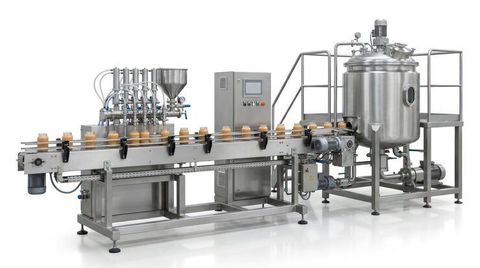
Product characteristics also influence machine operation. Liquid materials may require pumps, while powders can require auger-based mechanisms and granular materials may use volumetric or weighing systems. Products that are sticky, dusty, free-flowing, or sensitive to air may require different approaches.
Packaging Challenges
Common operational challenges can include uneven product flow, film movement problems, sealing defects, product contamination around the seal area, and inaccurate filling. Environmental conditions such as temperature and humidity can also affect certain products and packaging materials.
Operators generally need to monitor factors such as film tension, filling settings, sealing temperature, pressure, timing, and cutting position. Regular inspection of machine components can help identify mechanical issues before they affect a larger production run.
Recent Updates
Sachet filling technology has continued to develop through greater automation, electronic controls, improved monitoring, and more flexible machine configurations. From 2024 through 2026, packaging equipment trends have increasingly focused on digital control systems, production monitoring, material efficiency, and compatibility with changing packaging formats.
More Automated Control
Modern systems commonly use programmable controllers, touch-screen interfaces, sensors, and electronic drives. These technologies allow operators to adjust operating parameters and monitor different stages of the packaging cycle from a central interface.
Automation can also help coordinate filling, sealing, and cutting operations. Sensor-based monitoring may detect conditions such as incorrect film positioning or interruptions in the packaging process.
Flexible Packaging Formats
Another ongoing trend is greater flexibility in sachet dimensions and packaging materials. Equipment manufacturers have been adapting machine designs to accommodate different film structures and packet configurations.
Packaging operations are also paying greater attention to material consumption and waste. This has increased interest in accurate film tracking, controlled sealing, and machine settings that reduce unnecessary packaging material during operation.
Digital Monitoring
Digital data collection is becoming more common in automated packaging environments. Machine interfaces can provide information about operating conditions, production counts, alarms, and selected process parameters.
This information can help personnel understand how equipment is performing and identify recurring operational issues. The precise capabilities vary significantly between machine models and control systems.
Tools and Resources
Several tools and resources can help readers understand or evaluate sachet filling processes without requiring advanced technical knowledge.
Product Measurement Tools
Basic weighing scales and measuring equipment can demonstrate how different filling mechanisms work. Comparing repeated measurements can also illustrate why filling accuracy is important for portion-based packaging.
Packaging Film References
Technical information from packaging-film manufacturers can help explain properties such as thickness, sealing behavior, barrier characteristics, and compatibility with different packaging processes. These properties can influence how a particular film performs during forming and sealing.
Machine Manuals and Technical Documentation
Equipment manuals are useful references for understanding machine components, operating sequences, adjustment ranges, safety procedures, and routine inspection requirements. Manufacturer documentation should be consulted for machine-specific information because configurations vary.
Packaging Standards and Industry Resources
Organizations involved in packaging, food production, manufacturing, and materials engineering publish educational resources covering packaging materials, measurement, quality control, and production practices. These resources can provide broader context when learning about sachet filling systems.
The following table provides a simplified comparison of common filling approaches:
| Filling System | Common Material Type | Basic Principle |
|---|---|---|
| Auger filler | Powders | Screw movement measures and transfers powder |
| Pump filler | Liquids | Pump movement transfers a controlled liquid quantity |
| Volumetric cup | Granules | A defined volume is used for portion measurement |
| Weighing system | Powders or granules | Material quantity is determined by weight |
| Piston filler | Liquids or semi-liquids | Piston movement transfers a measured volume |
The appropriate filling method depends on factors such as material consistency, flow behavior, target quantity, sachet dimensions, and required operating conditions.
FAQs
What are sachet filling machines used for?
Sachet filling machines are used to place measured quantities of products into flexible packets and then form, seal, and separate those packets. Applications can include food, beverages, personal-care products, household materials, and selected industrial products.
How do sachet filling machines measure products?
Measurement depends on the filling system. Augers are commonly associated with powders, pumps with liquids, volumetric mechanisms with some granular materials, and weighing systems with applications where measurement by mass is required.
What are the main components of sachet filling machines?
Common components include a film unwinding system, film guides, forming equipment, filling mechanism, sealing jaws, cutting equipment, sensors, controls, and a discharge arrangement. The exact configuration varies according to the machine and product.
What factors affect sachet filling accuracy?
Product flow characteristics, filling mechanism settings, machine speed, measurement method, material consistency, and equipment condition can all influence filling accuracy. Consistent operating parameters are important for maintaining uniform portions.
What packaging materials can sachet filling machines use?
The suitable material depends on the machine configuration, sealing method, product characteristics, and packaging requirements. Flexible films may contain combinations of plastic, paper, foil, or other layers designed for particular barrier and sealing properties.
Conclusion
Sachet filling machines combine film handling, product measurement, filling, sealing, cutting, and control functions into a coordinated packaging process. Different filling systems are suited to liquids, powders, granules, and other material types. Recent developments have emphasized automation, digital monitoring, flexible packaging formats, and more controlled material use. Understanding the components and operating principles provides useful background for interpreting how small-format packaging systems function.