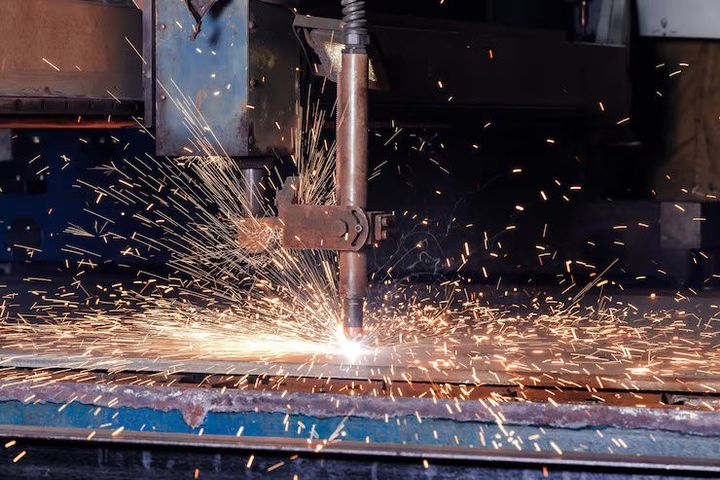
Plasma Cutting Machines: An Overview of Cutting Methods and Machine Components
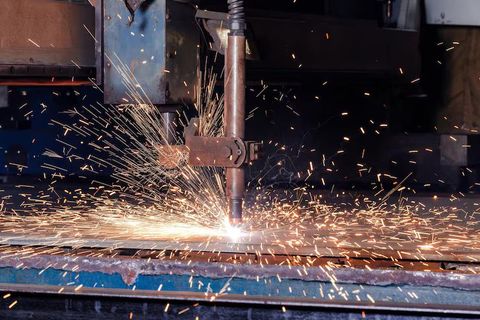
Plasma cutting machines are tools designed to cut electrically conductive metals by using a high-temperature plasma arc.
Plasma is created when an electrical current passes through a gas and changes it into an electrically conductive state. The resulting plasma stream melts the metal, while the gas flow pushes the molten material away from the cut.
The basic idea developed from plasma arc technology used in industrial metalworking. Over time, equipment evolved from manually guided torches into computer-controlled systems capable of following digital cutting patterns. Today, plasma cutting machines are used for materials such as mild steel, stainless steel, and aluminum in fabrication, construction, automotive production, shipbuilding, maintenance, and other metalworking activities.
A typical system combines several parts rather than relying on the torch alone. The main components include a power supply, plasma torch, gas system, work table, motion mechanism, control system, and replaceable consumables. Understanding these parts helps explain how different plasma cutting methods produce different results.
Importance
Plasma cutting machines matter because metal components often need to be separated into specific shapes before they can be assembled, welded, or processed further. Manual cutting can be suitable for simple tasks, while CNC-controlled equipment can follow detailed digital patterns across larger work areas.
The technology also addresses practical challenges associated with metal cutting. These include handling different material thicknesses, maintaining a consistent cutting path, controlling heat, and reducing unwanted material along the cut edge.
Where plasma cutting is used
Plasma cutting can be found in several areas of metal fabrication. Common applications include:
- Cutting plates and sheets for structural components
- Preparing parts for welding and assembly
- Producing brackets, panels, frames, and supports
- Cutting shapes for machinery and agricultural equipment
- Processing metal components for construction and transportation
- Creating prototypes and custom metal parts
The appropriate cutting method depends on factors such as material type, thickness, required edge quality, cutting speed, and whether the process is manual or automated.
Main machine components
A plasma cutting machine normally contains several connected systems. The power supply converts incoming electrical power into the current needed to create and maintain the plasma arc. The torch directs the plasma toward the workpiece and contains internal parts that shape the plasma stream.
The gas system supplies compressed air or another suitable plasma gas. Gas choice and pressure can influence arc stability, cutting performance, and edge characteristics.
The work table supports the metal during cutting. CNC systems also include a drive mechanism that moves the torch along programmed paths. A controller interprets digital cutting instructions and coordinates torch movement, speed, and other operating parameters.
Consumables are another important group of components. Electrodes, nozzles, shields, and related parts gradually wear during normal operation and therefore require inspection and replacement according to equipment requirements.
Common plasma cutting methods
| Cutting method | Typical characteristic | Common application |
|---|---|---|
| Manual air plasma | Hand-guided torch and compressed air | General metal cutting |
| CNC plasma | Computer-controlled torch movement | Repeated shapes and production work |
| High-definition plasma | More controlled arc and gas delivery | Higher precision cutting |
| Robotic plasma | Multi-axis automated movement | Complex or repetitive components |
These categories can overlap. For example, a CNC system may use either conventional or high-definition plasma technology, depending on its configuration.
Recent Updates
From 2024 through 2026, development in plasma cutting has generally focused on automation, higher control accuracy, digital integration, and improved process monitoring. Industry reports describe continued interest in CNC and high-definition systems, particularly for applications where repeatable cutting and controlled edge geometry are important.
Automation and digital control
Modern CNC plasma systems increasingly connect cutting equipment with CAD/CAM software, nesting programs, and automated material-handling systems. These technologies allow a digital drawing to be converted into a planned cutting path while helping arrange multiple parts on a sheet.
Another developing area is machine monitoring. Connected equipment can collect information about cutting conditions and machine operation. Some newer systems are being developed around data analysis and adaptive controls, although the capabilities vary considerably between machines and manufacturers.
High-definition plasma
High-definition plasma continues to receive attention because its more controlled arc and gas delivery can produce narrower cuts and more consistent edges than conventional plasma in suitable applications. The technology is particularly relevant where edge geometry and reduced secondary processing are important.
Energy efficiency and consumable design are also areas of continuing development. Recent industry discussions describe improvements in power supplies, torch designs, electrodes, and nozzles intended to support consistent operation and reduce unnecessary material and energy use.
Tools and Resources
Several digital and practical resources can help readers understand plasma cutting machines and their operating principles.
Design and planning tools
CAD software is commonly used to create the shapes that need to be cut. CAM software can then translate those designs into machine instructions. Nesting software arranges multiple parts on a sheet to help plan material usage.
Cutting parameter references
Machine manuals and manufacturer cutting charts provide information about recommended amperage, gas pressure, cutting speed, material thickness, and consumable combinations. These references are more useful than applying one general setting to every material because operating requirements differ between machines.
Measurement and maintenance tools
Basic measurement equipment can help check material thickness and finished dimensions. Air-pressure gauges, torch inspection tools, and consumable inspection procedures can also help identify operating issues.
For technical background, resources from organizations such as the American Welding Society and educational materials from equipment manufacturers can provide additional information about plasma processes, cutting parameters, and safety practices.
FAQs
What are plasma cutting machines?
Plasma cutting machines use an electrically conductive plasma arc to melt electrically conductive metal. A gas stream then removes the molten material and creates the cut.
How do plasma cutting machines differ from CNC plasma systems?
A conventional plasma cutter may use a hand-guided torch, while a CNC plasma system uses computer-controlled movement to follow programmed cutting paths. CNC operation is particularly useful when shapes need to be repeated or produced from digital drawings.
What materials can plasma cutting machines cut?
Plasma systems can generally cut electrically conductive metals, including mild steel, stainless steel, and aluminum. The suitable material thickness depends on the particular machine, power level, torch, gas configuration, and operating conditions.
What are the main components of a plasma cutting machine?
The main components include the power supply, torch, gas delivery system, work table, motion system, controller, cables, and consumables. CNC models also include computer-controlled motion equipment and related software.
What is high-definition plasma cutting?
High-definition plasma cutting uses more precise control of the plasma arc, gas flow, and torch movement. It is designed for applications where controlled edge shape, narrower cuts, and consistent results are important.
Conclusion
Plasma cutting machines use a controlled plasma arc to separate electrically conductive metals. Their performance depends on the interaction between the power supply, torch, gas system, motion controls, work table, and consumable components. From 2024 through 2026, the technology has continued moving toward CNC automation, high-definition cutting, digital integration, monitoring, and improved energy management. Understanding these fundamentals provides a useful foundation for comparing cutting methods and machine configurations.