Commercial Roof Protection Information for Understanding Roofing Systems
Commercial roof protection is an important part of understanding how roofing systems handle weather, building use, moisture, temperature changes, and routine wear.
Unlike residential roofs, commercial roofing systems can cover large areas and may use different materials, drainage layouts, insulation layers, and protective surfaces. Understanding commercial roof protection information helps building owners, facility teams, tenants, and general readers recognize the main factors that influence roof condition and long-term building performance.
Context
What Commercial Roof Protection Means
Commercial roof protection refers to the practices, materials, and design features used to help maintain the condition of a commercial roofing system. These systems may be installed on offices, warehouses, retail buildings, schools, healthcare facilities, industrial buildings, and other structures with broad roof areas.
A commercial roof commonly contains several layers. Depending on the building design, these can include a structural deck, vapor control layer, insulation, waterproofing membrane, protective surface, drainage components, and flashing. Each layer has a particular function, and the complete system works together to limit moisture entry and manage environmental exposure.
Common Commercial Roofing Systems
Several roofing approaches are used in commercial buildings. Single-ply membranes such as thermoplastic polyolefin and ethylene propylene diene monomer are widely used, while modified bitumen and built-up roofing remain relevant in many applications. Metal roofing and liquid-applied roof systems are also used for particular building designs.
The choice of system depends on factors such as roof shape, climate, drainage, structural design, expected foot traffic, insulation requirements, and the building's use. A roofing system designed for a large warehouse may have different requirements from one installed on a low-rise office building.
| Roofing System | Common Characteristics | Main Protection Consideration |
|---|---|---|
| Single-ply membrane | Flexible sheet membrane | Seams, punctures, and weather exposure |
| Built-up roofing | Multiple layers | Membrane condition and drainage |
| Modified bitumen | Reinforced membrane layers | Surface wear and seam condition |
| Metal roofing | Metal panels and joints | Corrosion, movement, and fasteners |
| Liquid-applied system | Coating formed across the roof | Surface preparation and coating condition |
Why Protection Is Part of Roof Design
Roof protection is not limited to repairing visible damage. It also involves drainage planning, material compatibility, insulation, flashing, expansion movement, and protection around equipment or areas where people may walk.
A roof can appear intact while developing problems around seams, penetrations, drains, edges, or flashing. For this reason, understanding the complete roofing system provides more useful information than focusing only on the visible outer surface.
Importance
Managing Weather Exposure
Commercial roofs are exposed to sunlight, rainfall, wind, temperature changes, and seasonal conditions. Repeated exposure can affect membranes, coatings, metal components, sealants, and other materials over time.
Water management is especially important because standing water can place additional stress on roofing materials. Proper slopes, drains, scuppers, gutters, and internal drainage systems help move water away from the roof surface.
Protecting Building Interiors
A roof is part of the building envelope, so its condition can influence interior spaces. Moisture entering through damaged areas may affect ceilings, insulation, electrical components, stored materials, equipment, or interior finishes.
Early recognition of issues can help distinguish between surface wear and problems that may affect deeper layers. Common signs that deserve attention include recurring moisture marks, damaged flashing, blocked drains, loose membrane sections, deteriorated sealants, and unusual ponding.
Supporting Routine Roof Management
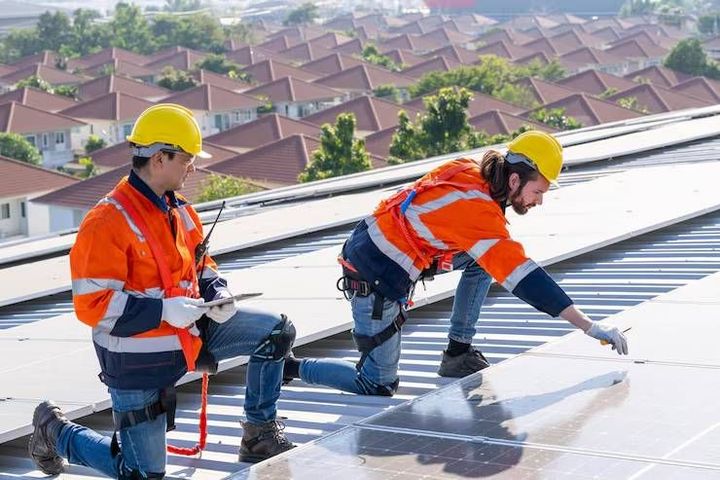
Commercial buildings may have rooftop equipment such as air-conditioning units, ventilation systems, solar equipment, communication equipment, or access structures. Movement around these areas can increase the possibility of accidental membrane damage.
Clear access paths and suitable protective measures can reduce unnecessary contact with sensitive roofing surfaces. Roof access should also account for the type of membrane or surface installed and the conditions around rooftop equipment.
Recent Updates
Changing Roofing Materials
Recent developments in commercial roofing have included greater interest in reflective surfaces, improved insulation assemblies, durable membrane formulations, and systems designed around energy performance. These developments are influenced by building efficiency goals, changing environmental conditions, and updated construction practices.
Reflective roof surfaces can reduce solar heat absorption under suitable conditions. Their practical effect depends on climate, insulation, building design, roof orientation, and other factors, so roof characteristics need to be considered as part of the wider building system.
Increased Attention to Roof Condition Monitoring
Digital documentation and inspection technologies are becoming more common in commercial building management. Property teams may use photographs, inspection records, moisture detection equipment, aerial imagery, or digital building-management platforms to track roof conditions.
These tools can help organize information about repairs, drainage locations, equipment areas, previous observations, and recurring concerns. They do not replace physical assessment when a roof problem requires closer examination.
Focus on Water Management
Current commercial roofing discussions also place strong emphasis on drainage and moisture control. More detailed roof planning can include drainage calculations, overflow provisions, carefully positioned penetrations, and consideration of rainfall patterns.
Climate-related weather changes have also increased attention to how roofing systems respond to heavy rainfall, strong winds, heat, and repeated temperature cycles. The appropriate design response varies according to location and building characteristics.
Tools and Resources
Inspection Checklists
A commercial roof inspection checklist can help organize observations. Typical checklist categories include membrane condition, flashing, drains, gutters, penetrations, edges, rooftop equipment, ponding areas, and visible surface damage.
A checklist is primarily a documentation tool. It can help maintain consistent records without requiring technical terminology for every observation.
Moisture Detection Tools
Moisture detection equipment can help identify areas where water may have entered a roofing assembly. Different technologies can detect moisture beneath certain roofing surfaces, although results need to be interpreted according to the roof construction.
Infrared imaging is another method sometimes used during roof assessments. Temperature differences may indicate areas that warrant closer investigation, but an image alone does not establish the exact cause of a roofing problem.
Digital Building Records
Digital building-management platforms can store inspection photographs, roof plans, maintenance histories, equipment locations, and observations. Keeping these records together can make it easier to understand how a roof has changed over time.
Manufacturer technical documents and building-code resources can also provide information about installation requirements, material limitations, drainage principles, and system specifications. The applicable requirements vary according to location and building type.
FAQs
What is commercial roof protection?
Commercial roof protection involves materials, design features, inspection practices, and maintenance measures that help a commercial roofing system handle weather, moisture, physical exposure, and normal building use.
Why is commercial roof protection information important?
Commercial roof protection information helps readers understand how roofing materials, drainage, insulation, flashing, and rooftop activities can influence roof condition and building protection.
What are common commercial roofing systems?
Common systems include single-ply membranes, built-up roofing, modified bitumen, metal roofing, and liquid-applied systems. The appropriate system depends on building design, climate, roof structure, and other project requirements.
How does drainage affect commercial roof protection?
Drainage helps move rainwater away from the roof surface. Drains, scuppers, gutters, slopes, and overflow provisions are important parts of managing water accumulation.
How often should a commercial roof be inspected?
Inspection frequency depends on the roof system, building conditions, climate, access, age, and previous observations. Periodic inspections can help document changing conditions and identify areas that may require closer assessment.
Conclusion
Commercial roof protection combines roofing materials, drainage, insulation, flashing, access planning, and condition monitoring. Understanding these elements provides useful context for evaluating how commercial roofing systems respond to weather and everyday building activities. Recent developments have increased attention to energy performance, moisture management, digital documentation, and changing environmental conditions. A complete view of the roofing assembly is therefore important when interpreting roof condition and protection requirements.