Bulk Chemical Transport & Storage Guide for Safe Handling and Logistics
Bulk chemical transport and storage involve moving and holding large quantities of chemical materials in a controlled manner.
These activities are used across manufacturing, agriculture, water treatment, construction, energy, and laboratory-related industries. A proper Bulk Chemical Transport & Storage approach considers chemical properties, container selection, labeling, handling procedures, transportation conditions, emergency planning, and environmental protection.
Context
Understanding Bulk Chemical Logistics
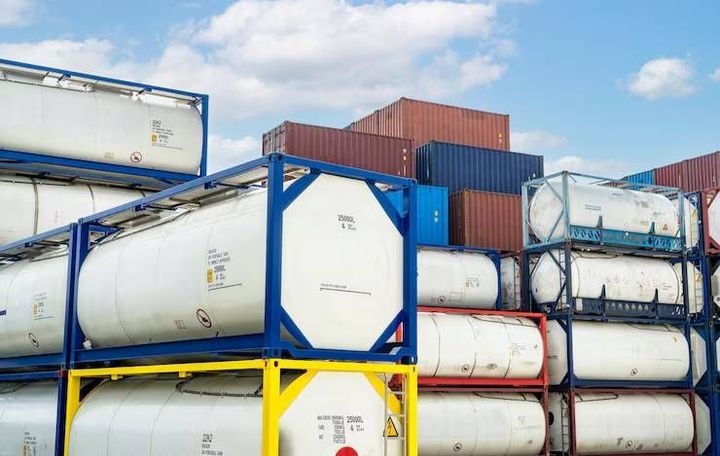
Bulk chemical logistics developed alongside industrial production, where larger quantities of raw materials and finished chemical products needed to move between manufacturing facilities, warehouses, processing plants, and other locations. Instead of handling many small containers, bulk materials can be transported in larger tanks, tankers, intermediate bulk containers, or dedicated storage systems.
The appropriate method depends on the chemical's physical and chemical characteristics. Factors such as flammability, corrosiveness, toxicity, reactivity, vapor pressure, temperature sensitivity, and compatibility with container materials influence how a chemical should be handled.
Bulk storage normally involves fixed tanks, portable containers, or other approved containment systems. These systems may include secondary containment areas designed to limit the spread of a liquid if the primary container develops a leak.
Key Elements of Safe Handling
Safe bulk chemical handling begins with knowing exactly what material is being handled. Safety Data Sheets, product labels, technical documentation, and applicable transportation classifications provide information about hazards and handling conditions.
Important considerations include:
- Chemical identification and classification
- Container and tank compatibility
- Correct labeling and documentation
- Loading and unloading procedures
- Ventilation and temperature control
- Spill prevention and containment
- Personal protective equipment
- Emergency response arrangements
- Inspection and maintenance procedures
These elements work together rather than functioning as separate measures. A suitable tank, for example, still requires correct labeling, inspection, loading procedures, and environmental controls.
Importance
Protecting People and Workplaces
Bulk chemicals can present physical and health hazards when they are incorrectly stored, transferred, or transported. A damaged container, incompatible material, uncontrolled release, or incorrect transfer connection can create risks for workers and nearby communities.
Clear procedures help workers understand how materials should be received, moved, stored, and transferred. Training should address normal operations as well as foreseeable situations such as spills, container damage, equipment failure, and accidental exposure.
Reducing Environmental Risks
Chemical releases can affect soil, surface water, groundwater, air quality, and surrounding ecosystems. Storage facilities therefore commonly use containment arrangements, inspection routines, leak detection methods, and spill-response equipment appropriate to the materials present.
Storage areas should also be organized to prevent incompatible substances from being placed together. Separation requirements depend on the chemical characteristics and applicable regulations rather than simply on whether containers are large or small.
Supporting Reliable Logistics
Bulk transport involves several stages, including preparation, loading, transit, unloading, and final storage. Each stage can introduce different risks.
A basic logistics sequence can be represented as follows:
| Stage | Main consideration | Typical control |
|---|---|---|
| Preparation | Chemical identity and hazards | Documentation and inspection |
| Loading | Transfer integrity | Compatible equipment and procedures |
| Transportation | Movement and containment | Appropriate vehicle and secure containers |
| Unloading | Controlled transfer | Trained personnel and connection checks |
| Storage | Long-term containment | Suitable tanks and monitoring |
| Emergency response | Unplanned release | Spill equipment and response procedures |
Good coordination between these stages helps prevent information gaps. Labels, documentation, container identification, and transfer records should remain consistent throughout the movement of the material.
Meeting Regulatory Requirements
Bulk chemical transportation and storage are subject to regulations that vary according to the country, chemical classification, quantity, transport method, and facility type. Requirements can address packaging, labeling, documentation, vehicle specifications, storage conditions, worker protection, emergency planning, and environmental controls.
For general readers, the important point is that chemical logistics cannot be managed through one universal procedure. Requirements must be determined according to the material and the jurisdiction involved.
Recent Updates
Greater Focus on Chemical Traceability
Recent developments across chemical logistics have increased attention to traceability and digital records. Electronic documentation, barcode systems, RFID identification, inventory platforms, and connected monitoring equipment can help organizations track containers and storage quantities more systematically.
Digital records can also make it easier to identify when a container was received, where it was placed, when it was transferred, and which documentation applies to it. The usefulness of these systems depends on accurate data entry and appropriate operational controls.
Increased Use of Monitoring Technology
Storage facilities are increasingly incorporating sensors and monitoring equipment for conditions such as temperature, pressure, liquid level, and potential leaks. Remote monitoring can provide information between routine physical inspections, particularly in facilities containing large quantities of material.
Automation does not remove the need for human oversight. Sensors require maintenance, calibration where applicable, and procedures for responding to abnormal readings.
Greater Attention to Environmental Management
Chemical storage practices are also increasingly connected with environmental risk management. Facilities may place greater emphasis on secondary containment, leak detection, controlled drainage, waste management, and emergency preparedness.
Another developing area is the movement toward more efficient logistics planning. Better inventory visibility can help organizations understand where materials are located and how storage capacity is being used, reducing unnecessary handling and improving planning.
Updated Safety Documentation
Safety Data Sheets and chemical labeling remain central to chemical handling. Organizations handling materials across borders or regulatory jurisdictions may need to account for differences in classification systems, documentation requirements, and language requirements.
Maintaining current documentation is particularly important when a chemical's classification, formulation, handling conditions, or regulatory status changes.
Tools and Resources
Safety Data Sheets and Chemical Databases
Safety Data Sheets provide information about chemical hazards, handling, storage, exposure controls, accidental release measures, and transportation considerations. Chemical databases can also help users understand identifiers, classifications, physical properties, and compatibility information.
These resources should be interpreted according to the applicable regulatory framework and the specific material being handled.
Inventory and Storage Management Platforms
Digital inventory platforms can record container identification, quantities, storage locations, inspection information, and movement history. Some systems can connect with barcode or RFID equipment to reduce manual recordkeeping.
For larger facilities, inventory information may be connected with broader warehouse or enterprise systems, allowing chemical quantities and locations to be monitored alongside other operational records.
Compatibility and Conversion Calculators
Chemical-handling calculations may involve volume, density, concentration, tank capacity, or temperature-related measurements. Appropriate calculators can assist with routine planning, but calculations involving hazardous materials should be checked against applicable technical documentation and procedures.
Chemical compatibility charts are also useful for understanding whether a material may interact adversely with a particular container, lining, valve, hose, or adjacent chemical.
Regulatory and Emergency Resources
Government regulatory websites, transportation authorities, environmental agencies, and workplace-safety organizations provide information about chemical transportation, storage, labeling, emergency planning, and reporting requirements.
Facility-specific emergency plans may include chemical inventories, site layouts, emergency contacts, spill-control equipment locations, evacuation information, and response procedures.
FAQs
What is bulk chemical transport and storage?
Bulk chemical transport and storage refers to moving and holding chemical materials in relatively large quantities using appropriate tanks, containers, vehicles, and controlled facilities. Requirements depend on the chemical's properties and applicable regulations.
Why is Bulk Chemical Transport & Storage important?
Bulk Chemical Transport & Storage is important because large quantities of chemicals can create significant handling, environmental, and transportation risks if containment or procedures are inadequate. Proper planning addresses identification, compatibility, containment, documentation, and emergency response.
What containers are used for bulk chemical storage?
Common systems include fixed storage tanks, portable tanks, intermediate bulk containers, drums, and specialized vessels. The appropriate container depends on the chemical, quantity, temperature, pressure, compatibility requirements, and regulatory conditions.
How can chemical storage areas reduce spill risks?
Storage areas can use suitable containment, compatible tanks and fittings, inspection programs, clear labeling, controlled drainage, appropriate separation, and emergency spill equipment. The exact arrangement depends on the chemicals and facility requirements.
What documents are important during bulk chemical transportation?
Important documentation can include chemical identification records, Safety Data Sheets, transportation classifications, shipping documentation, labels, emergency information, and records required by the relevant authorities. Requirements vary by chemical and jurisdiction.
Conclusion
Bulk chemical transport and storage involve coordinated controls covering identification, containment, handling, transportation, storage, documentation, and emergency preparedness. Chemical properties and regulatory requirements determine which equipment and procedures are appropriate for a particular material. Recent developments have increased the use of digital records, monitoring technologies, and environmental management practices. Understanding these fundamentals provides a clearer view of how bulk chemicals can be managed within structured logistics and safety systems.