Skin Rejuvenation Techniques: Explore Modern Approaches for Healthier-Looking Skin
Skin rejuvenation techniques include a broad range of approaches used to improve the appearance, texture, tone, and overall condition of the skin.
They can include everyday skincare practices as well as procedures performed by trained medical professionals. The underlying idea is to address visible concerns such as uneven pigmentation, fine lines, rough texture, acne scars, sun-related changes, or loss of firmness.
Skin changes naturally with age and are also influenced by genetics, sun exposure, environmental conditions, lifestyle factors, and previous skin conditions. Ultraviolet radiation is particularly important because repeated exposure can contribute to wrinkles, uneven pigmentation, loose skin, and other signs of photoaging. Dermatology resources describe several approaches for addressing these changes, ranging from skincare and sun protection to procedures such as chemical peels, laser treatments, radiofrequency, and microneedling.
What Skin Rejuvenation Involves
Skin rejuvenation is not one specific procedure. The term describes different methods that target particular skin concerns. Some approaches work mainly on the surface of the skin, while others aim to stimulate collagen production or influence deeper layers.
Common categories include:
- Topical skincare for hydration, texture, and pigmentation concerns
- Chemical exfoliation to remove selected layers of damaged surface skin
- Microneedling to create controlled micro-injuries that stimulate collagen production
- Laser and light-based procedures for selected pigmentation, texture, or aging concerns
- Radiofrequency and ultrasound techniques that use controlled energy to affect deeper tissue
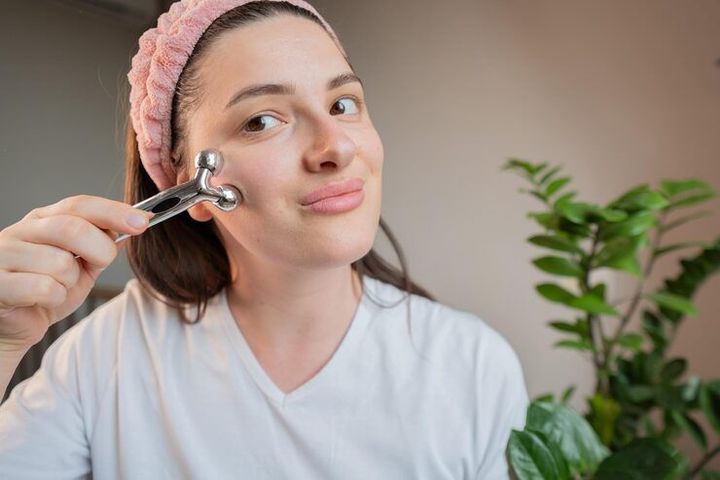
- Red-light devices designed for specific cosmetic skin concerns
The appropriate approach depends on the skin concern, skin type, medical history, treatment area, and individual goals. A technique that is appropriate for one person may not be suitable for another.
How Skin Changes Over Time
Collagen and elastin are structural proteins that help give skin strength and flexibility. Their production and organization change as people age. Sun exposure can also accelerate visible changes.
Because several processes can occur at the same time, modern skin rejuvenation techniques often focus on specific concerns rather than attempting to change every aspect of the skin at once.
Importance
Skin appearance can influence how people perceive their overall health and well-being, although visible skin changes do not always indicate a health problem. Concerns such as acne scars, pigmentation, fine lines, redness, or uneven texture can affect people at different ages.
Understanding the available approaches is important because cosmetic skin procedures can involve different levels of invasiveness and different recovery periods. Some techniques affect only the outer skin layer, while others use needles, heat, light, or other forms of controlled energy.
Common Skin Concerns
Different techniques are associated with different concerns. For example, dermatologists may use microneedling for acne scars, uneven texture, wrinkles, and certain pigmentation concerns. Laser resurfacing can also be used for selected scars and sun-related skin changes.
| Skin concern | Techniques commonly discussed | Main area of focus |
|---|---|---|
| Fine lines | Microneedling, laser, light-based approaches | Texture and collagen |
| Uneven pigmentation | Chemical peels, selected lasers, light-based methods | Skin tone |
| Acne scars | Microneedling, laser, radiofrequency | Texture and scar appearance |
| Rough texture | Exfoliation, peels, resurfacing | Surface skin |
| Loss of firmness | Radiofrequency, ultrasound, selected lasers | Deeper skin layers |
| Sun-related changes | Sun protection, topical care, selected procedures | Pigmentation and texture |
These categories are general and do not mean that every technique is appropriate for every person.
Safety and Individual Differences
Skin tone and medical history can influence how the skin responds to energy-based or resurfacing procedures. Certain approaches can cause irritation, pigment changes, burns, scarring, or other complications when used incorrectly.
The American Academy of Dermatology has also highlighted concerns about at-home procedures involving devices that puncture or significantly affect the skin. Professional assessment can help determine whether a procedure is appropriate and how it should be performed.
Recent Updates
Skin rejuvenation has continued to develop between 2024 and 2026, with growing attention toward personalized treatment planning, device safety, evidence quality, and realistic expectations.
Greater Attention to At-Home Technology
Red-light therapy has received increased public attention through skincare discussions and social media. Some at-home red-light devices have been cleared by the U.S. Food and Drug Administration for particular uses, but the American Academy of Dermatology notes that research findings vary between devices and that further research is needed to understand how effective different at-home products are for particular concerns.
This reflects a broader trend toward combining consumer technology with established skincare practices. It also highlights why the intended use, device specifications, and available evidence matter when interpreting claims about light-based skincare.
Increased Focus on Procedure Safety
Safety became particularly visible in discussions surrounding radiofrequency microneedling. In October 2025, the American Academy of Dermatology issued a statement regarding an FDA safety communication about potential risks associated with certain uses of radiofrequency microneedling.
The development illustrates an important trend in modern dermatology: technological innovation is being accompanied by greater attention to correct device use, practitioner training, patient selection, and potential complications.
More Interest in Personalized Approaches
Another continuing trend is the move away from treating every person according to the same routine. Skin aging can involve pigmentation, texture, volume, wrinkles, and changes in firmness at the same time. Dermatology guidance notes that there is no single cosmetic approach that addresses every visible change for everyone.
Social media has also influenced how people learn about skincare. The AAD noted in 2024 that viral skincare trends can increase awareness but may also encourage people to try techniques that are not appropriate for their skin.
Tools and Resources
Several resources can help readers understand skin rejuvenation techniques without relying only on social media posts or informal recommendations.
Dermatology Information Resources
The American Academy of Dermatology provides educational material covering procedures such as microneedling, chemical peels, laser treatments, skin tightening, and red-light therapy. These resources explain common uses, potential risks, and factors that can influence results.
Treatment Comparison Notes
A simple personal comparison table can help organize information before discussing a procedure with a qualified professional. Useful fields include:
- Skin concern being addressed
- Treatment type
- Area being treated
- Expected recovery period
- Possible side effects
- Number of sessions discussed
- Relevant medical or skin conditions
This type of information can make conversations about procedures more organized without assuming that one approach is suitable for everyone.
Device and Regulatory Information
For home-use light devices, readers can check the manufacturer's intended use and relevant regulatory information. FDA clearance, where applicable, relates to the specific device and intended use rather than proving that every device or application produces identical results. The AAD notes that research on different red-light devices can vary considerably.
FAQs
What are skin rejuvenation techniques?
Skin rejuvenation techniques are methods used to address visible concerns such as uneven texture, pigmentation, fine lines, acne scars, and reduced firmness. They range from skincare practices to professionally performed procedures.
Which skin rejuvenation techniques are used for acne scars?
Microneedling, laser procedures, radiofrequency, and certain combination approaches may be used for acne scars. The appropriate technique depends on the type and severity of scarring and the individual's skin characteristics.
Are skin rejuvenation techniques suitable for all skin types?
Not every technique is suitable for every skin type. Skin tone, sensitivity, medical history, active skin conditions, and the type of procedure can influence safety and suitability.
Does red-light therapy improve skin appearance?
Research suggests that some red-light devices may produce improvements in concerns such as fine lines, rough texture, redness, and loose skin, but results vary between devices and studies. More research is needed to clarify the effects of different home-use devices.
Can skin rejuvenation techniques remove signs of aging permanently?
No procedure can stop the natural aging process. Some approaches may reduce the visible appearance of particular concerns for a period of time, while ongoing skin changes can continue with age and environmental exposure.
Conclusion
Skin rejuvenation techniques include a wide range of approaches for addressing changes in texture, tone, pigmentation, scars, wrinkles, and firmness. Modern methods include skincare, microneedling, chemical peels, laser procedures, radiofrequency, ultrasound, and selected light-based technologies. Developments from 2024 through 2026 have placed greater attention on personalized approaches, evidence, device safety, and responsible use of emerging technologies. Understanding the purpose, limitations, and potential risks of each technique provides useful context when considering skin-related cosmetic procedures.