Natural Hair Growth Basics: Learn About Scalp Health and Hair Growth Patterns
Natural hair growth is a biological process controlled by hair follicles beneath the scalp.
Each follicle produces a strand that grows, rests, and eventually sheds before a new cycle begins. Because follicles operate on different schedules, some hairs may be growing while others are naturally being released at the same time. This explains why normal daily shedding does not necessarily indicate a hair-growth problem.
Hair growth patterns vary from person to person. Genetics, age, hormones, nutrition, general health, scalp conditions, and hair-care practices can all influence the appearance and behavior of hair. Hair texture and density also affect how much growth or thinning is visible.
The Hair Growth Cycle
The hair growth cycle generally has three main stages: anagen, the active growth stage; catagen, a short transition stage; and telogen, a resting stage. At the end of the resting period, the hair is released and the follicle can begin another cycle.
| Growth Stage | General Description | What Happens |
|---|---|---|
| Anagen | Active growth | The follicle produces a growing hair strand |
| Catagen | Transition | Growth slows and the follicle changes structure |
| Telogen | Resting | The strand remains in place before eventually shedding |
The length of each stage differs between individuals and between different areas of the body. Scalp hair generally remains in its active growth phase for a relatively long period, which is why scalp hair can grow much longer than eyelashes or other body hair.
What Scalp Health Means
Scalp health refers to the condition of the skin and follicles where hair develops. A balanced scalp supports normal hair-care routines, while persistent irritation, inflammation, scaling, or infection can affect the hair and may contribute to shedding or breakage.
Keeping the scalp reasonably clean and avoiding repeated physical or chemical stress can help maintain normal hair and skin conditions. However, scalp care alone cannot prevent every form of hair loss because some causes are related to genetics, immune activity, illness, hormonal changes, or other factors.
Importance
Why Natural Hair Growth Matters
Understanding natural hair growth can help people distinguish ordinary shedding from noticeable hair loss. The American Academy of Dermatology notes that losing around 50 to 100 hairs per day can be normal because hair is continuously cycling between growth and shedding. Noticeable thinning, a receding hairline, or distinct bald areas can indicate a different process.
This distinction matters because different forms of hair loss can have different causes. Hereditary patterns are common, while temporary shedding may occur after significant physical stress, illness, surgery, childbirth, or other changes affecting the body. Tight hairstyles and repeated pulling can also contribute to traction-related hair loss.
Everyday Factors That Affect Hair
Several everyday factors can influence hair appearance and scalp condition:
- Nutrition: Hair production requires adequate nutrients, including protein and certain vitamins and minerals. Nutritional deficiencies can sometimes contribute to hair loss.
- Hair handling: Frequent pulling, tight hairstyles, excessive heat, or rough handling can increase breakage or contribute to hair loss.
- Scalp condition: Persistent itching, inflammation, scaling, or infection may affect normal scalp and hair health.
- Stress and illness: Major physical or emotional stress can sometimes be followed by increased shedding.
- Genetics: Family history can influence the pattern, density, and timing of hair thinning.
Taking a balanced view is important because no single food, product, hairstyle, or routine determines natural hair growth for everyone.
Hair Shedding and Hair Loss Are Different
Shedding is part of the normal hair cycle, whereas hair loss occurs when fewer hairs are produced, follicles become affected, or another process interferes with normal growth. Some temporary shedding can resolve after the underlying trigger changes, while other forms of hair loss may continue without appropriate evaluation.
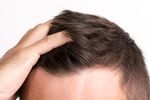
A noticeable change in the amount of hair on the scalp, widening of the part, persistent thinning, or the appearance of bald patches can provide useful clues. A dermatologist can examine the scalp and hair and may use additional tests when a medical condition, nutritional deficiency, hormone-related issue, or infection is suspected.
Recent Updates
Current Trends in Scalp and Hair Research
From 2024 through 2026, discussion around natural hair growth has increasingly focused on identifying the underlying cause of hair changes rather than treating every type of shedding in the same way. Dermatology resources continue to emphasize diagnosis because hereditary hair loss, temporary shedding, inflammatory conditions, scalp infections, and traction-related damage can require different approaches.
Another continuing trend is greater attention to scalp-focused hair care. Research and clinical guidance increasingly recognize that hair appearance is influenced not only by the visible strand but also by the condition of the scalp and follicles. This has encouraged more attention to gentle hair handling, avoiding repeated traction, and recognizing signs of scalp problems.
Greater Attention to Hair Damage
Hair-care habits remain an important part of current discussions. Repeated tension from tightly pulled hairstyles can contribute to traction alopecia, while harsh handling can contribute to damage and breakage. Guidance published by the American Academy of Dermatology in 2024 also highlights the relationship between hairstyling practices and hair loss.
Another current theme is caution around nutritional supplements. Dermatology guidance indicates that supplements are most relevant when a deficiency has been identified; excessive amounts of certain nutrients can themselves create health problems. This reinforces the importance of understanding the possible cause of hair changes instead of assuming that additional nutrients will automatically improve growth.
Tools and Resources
Helpful Ways to Track Hair Changes
Simple tracking methods can make changes easier to notice over time. A person may keep periodic photographs under similar lighting and from similar angles, record changes in shedding, and note changes in hairstyles or hair-care routines. These observations can provide useful background when discussing persistent changes with a healthcare professional.
Educational Resources
Several types of resources can support general learning about natural hair growth:
- Dermatology websites: Professional medical organizations provide explanations of hair-growth cycles, common causes of hair loss, and scalp conditions.
- Hair-care guides: Educational guides can explain gentle washing, conditioning, detangling, and styling practices.
- Nutrition references: Government and medical nutrition resources can help explain the role of balanced nutrition in normal body functions.
- Symptom diaries: Simple templates can help record when shedding, itching, scaling, or thinning becomes noticeable.
- Photo tracking: Consistent photographs can make gradual changes easier to compare than memory alone.
These resources are educational rather than substitutes for an individual medical assessment.
FAQs
What is natural hair growth?
Natural hair growth is the ongoing cycle in which hair follicles produce strands, transition through growth stages, rest, and eventually release older hairs. The timing of this cycle varies among individuals.
How does scalp health affect natural hair growth?
Scalp health can influence the environment around hair follicles. Persistent inflammation, infection, irritation, or damage may affect hair condition or contribute to shedding, although not every type of hair loss originates from a scalp problem.
What are normal hair growth patterns?
Normal hair growth patterns vary according to genetics, age, hormones, hair type, and follicle activity. Individual hairs can be at different stages of the growth cycle at the same time, so some shedding is expected.
Is daily hair shedding normal?
Some daily shedding is normal because older hairs are continually released as part of the hair cycle. The American Academy of Dermatology states that losing about 50 to 100 hairs a day can fall within the normal range. Noticeable thinning or bald areas are different signs and may require evaluation.
When can changes in natural hair growth need attention?
Persistent thinning, rapidly increasing shedding, bald patches, scalp inflammation, or changes accompanied by other symptoms may warrant professional evaluation. Identifying the underlying cause is important because different forms of hair loss can have different explanations and management approaches.
Conclusion
Natural hair growth is a continuous biological cycle involving active growth, transition, rest, and shedding. Scalp condition, genetics, nutrition, health changes, and hair-care habits can all influence how this cycle appears. Normal shedding should be distinguished from persistent thinning or visible hair loss because their causes can differ. Understanding these basic patterns provides useful context for interpreting changes in scalp and hair health.